
Varicose veins are enlarged superficial veins that may cause aching, heaviness, itching, swelling or skin change. Treatment is based on symptoms, complications, examination and ultrasound—not appearance alone. Leg swelling has many causes, so diagnosis matters before intervention.
YOUR SURGEON
Who treats this at Lotus
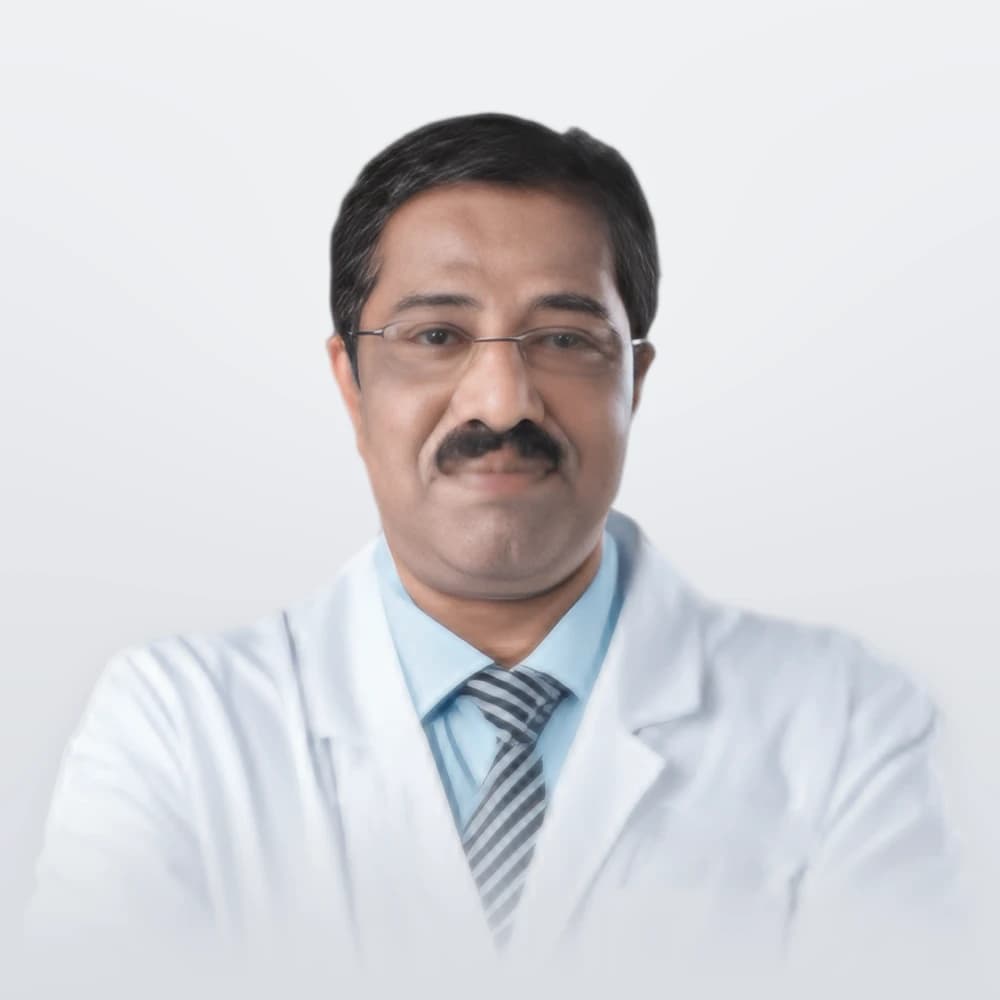
Vascular & Endovascular Surgery
Dr. Venkatesh Reddy K
Also listed as Dr. Venkatesh Reddy
- Qualifications
- MBBS, MS, FICS, FRCS (Glasgow), FVSI, FVES
- Experience
- 29 years as specialist
- Fee
- ₹700
- Languages
- English, Kannada, Telugu, Hindi, Tamil
- Registration
- KMC 46256
Varicose veins · Leg swelling · Leg pain while walking · Non-healing wounds
COST IN BANGALORE
How much does varicose veins treatment cost in Bangalore?
₹50,000 to ₹1,20,000Bengaluru market range · HexaHealth — Varicose veins laser treatment cost in Bangalore ↗ · as of 2026-10-14
Typical hospital stay: 1 to 2 days
Bengaluru market estimate for endovenous laser treatment of varicose veins, as published by HexaHealth. The page’s figures vary by section: its summary table gives ₹60,000 to ₹85,000, one leg ₹50,000 to ₹55,000, both legs ₹80,000 to ₹90,000, and its headline range ₹50,000 to ₹1,20,000, which is used here. This is not a Lotus quote. Ask the Lotus team for an itemised estimate for your case and insurance.
What is included, excluded and what changes the price →INSURANCE & CASHLESS
Using health insurance at Lotus
Lotus works with health insurers and TPAs for cashless and reimbursement claims. Share your policy details before a planned admission and the care team checks eligibility and pre-authorisation for you.
Assessment
The clinician asks about symptoms, standing, pregnancy, previous clots, wounds and earlier treatment. Examination looks for vein pattern, swelling, skin pigmentation, eczema or ulceration. Duplex ultrasound maps blood flow and reflux when procedure planning is needed.
Sudden one-sided swelling and pain, especially with chest pain or breathlessness, requires urgent assessment for a possible clot rather than routine varicose-vein care.
- Symptoms and impact
- Skin and wound changes
- Clot history
- Pulse and circulation assessment
- Duplex ultrasound
- Alternative causes of swelling
Conservative options
Movement, avoiding long uninterrupted periods of standing or sitting, leg elevation and weight support where relevant may improve symptoms. Compression can help selected patients but requires correct fit and caution when arterial disease is possible.
These measures may control symptoms without removing the underlying reflux. The plan should state when to reassess.
- Regular walking and calf movement
- Leg elevation
- Skin moisturising
- Appropriate compression
- Workplace adjustments
- Weight and general vascular health
Procedural treatment
Options can include endovenous ablation, foam sclerotherapy or surgery depending on anatomy, availability and patient factors. Ask how the treatment closes or removes the vein, what happens to circulation and which complications matter.
Risks can include bruising, pain, pigmentation, nerve symptoms, clot, skin injury and recurrence. Individual advice comes from the treating vascular clinician.
- Ultrasound-guided planning
- Anaesthesia
- Expected symptom benefit
- Clot and nerve risks
- Compression and movement afterward
- Recurrence and follow-up
After treatment
Follow advice on walking, compression, bathing, work and travel. Seek prompt help for severe swelling, chest pain, breathlessness, heavy bleeding, fever or a worsening wound.
- Early safe walking
- Compression if prescribed
- Wound or puncture-site care
- Travel advice
- Urgent warning signs
- Scheduled review
Medical information is general and does not replace an individual consultation.
PATIENT QUESTIONS
Varicose Veins Treatment: questions patients ask
When do varicose veins need treatment?
Treatment is usually advised when varicose veins cause aching, heaviness, swelling, itching, skin discolouration, eczema, ulcers or bleeding, or when you find them troublesome. Veins without symptoms may only need monitoring and compression. A vascular surgeon confirms the cause with a Doppler ultrasound scan before recommending treatment.
What are the treatment options for varicose veins?
Options include compression stockings, endovenous laser or radiofrequency ablation, which seal the faulty vein from inside, foam sclerotherapy, medical glue in selected cases, and surgical removal of veins. Minimally invasive options often allow walking the same day. The right choice depends on your scan findings and symptoms.
Is laser treatment for varicose veins painful?
Laser and radiofrequency treatments are usually done under local anaesthesia, so most patients feel only mild discomfort during the procedure. Some tenderness, bruising or tightness along the treated vein is common for a week or two afterwards and usually settles with walking, stockings and simple pain relief.
Can varicose veins come back after treatment?
Treated veins usually stay closed, but new varicose veins can develop over time because the underlying tendency remains. Staying active, managing weight, avoiding long periods of standing still and wearing compression when advised can help. Follow-up scans may be recommended.
When are varicose veins an emergency?
Seek urgent care for heavy bleeding from a varicose vein that does not stop with firm pressure and leg elevation, a painful, swollen, red calf, especially with breathlessness or chest pain, or a rapidly worsening ulcer. Call 112 or go to the nearest emergency department for severe bleeding or breathing symptoms.
How much does varicose vein treatment cost in Bangalore?
The cost depends on one or both legs, the technique, the number of veins treated and the stay. Published Bengaluru market estimates are a useful starting point, but they vary between sources and hospitals. Ask a Lotus vascular surgeon for a written, itemised estimate after your Doppler scan.
Is varicose vein treatment covered by insurance?
Many health policies cover varicose vein treatment when it is medically necessary, though some apply a waiting period, and purely cosmetic treatment is usually excluded. Lotus works with many insurers and TPAs; share your policy details with the care team so eligibility and pre-authorisation can be checked.
How do I consult a vascular surgeon for varicose veins at Lotus?
Book online with a vascular surgeon listed on the Vascular Surgery page, send a WhatsApp message, or call the care team on +91 80505 98999. Bring any previous Doppler reports and wear loose clothing so both legs can be examined.
LOCATION & DIRECTIONS
Getting to Lotus Hospital, HSR Layout
Lotus Multi Speciality Hospital
2361, 24th Main Road, 1st Sector, HSR Layout, Bengaluru, Karnataka 560102
Near Bangalore One, HSR Layout 1st Sector
Open 24 hours, 7 days · OPD timings vary by doctor
Lotus is on 24th Main Road in Sector 1, near Bangalore One. Autos and cabs can drop at the entrance on 24th Main.
Head into HSR Sector 1 from the Agara Lake side of the Outer Ring Road and continue to 24th Main Road.
Take the Sarjapur Road or 27th Main HSR approach towards Sector 1, then turn onto 24th Main Road.
Travel along the Outer Ring Road towards Agara, enter HSR Layout Sector 1 and continue to 24th Main Road.
Use the Outer Ring Road from Silk Board towards HSR Layout and turn into Sector 1.
Cross from Hosur Road into HSR Layout through the Sector 7 side and continue north to Sector 1.
Come towards Agara and the Outer Ring Road junction, then into HSR Layout Sector 1.
Take Hosur Road to Silk Board, then the Outer Ring Road into HSR Layout. Best for planned visits.
Travel time changes with traffic. Check live directions before you leave and allow time for registration.