Open now·★ 4.3 Google · 730+ reviews · Consultation ₹700+91 80505 98999
UROLOGY · HSR LAYOUT, BANGALORE
Urologists in HSR Layout, Bangalore
Book a urologist online at Lotus Hospital, HSR Layout, for kidney stones, prostate problems, burning urine, blood in urine and men’s urological health.
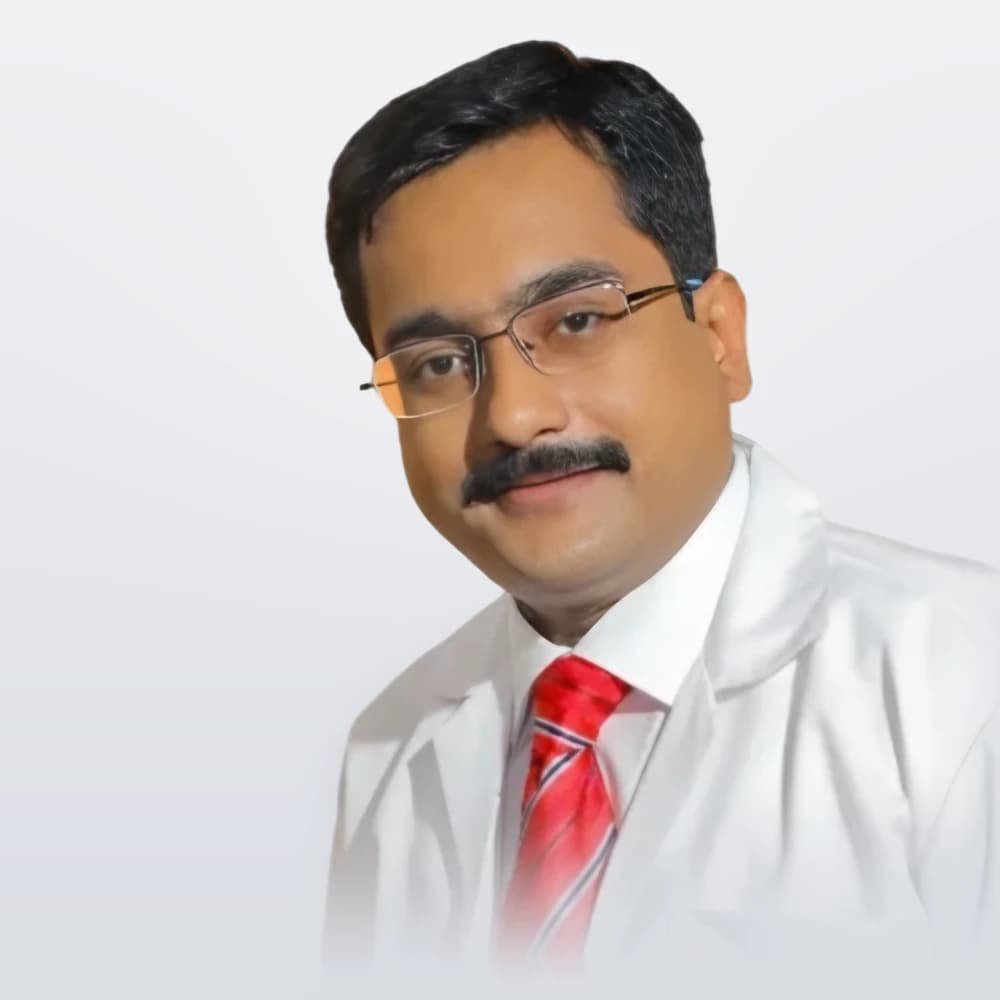
Lotus Multi Speciality Hospital in HSR Layout, Bangalore has Dr. Manohar Badrappa and Dr. Bivek Kumar for urology care. Patients visit for kidney stones, prostate and urination, infections and blood in urine. The consultation fee is ₹700 and the hospital is open 24 hours. Book online on this page, WhatsApp, or call +91 80505 98999. The hospital is at 2361, 24th Main Road, 1st Sector, HSR Layout, Bengaluru, Karnataka 560102.
MEET THE TEAM
Urologists at Lotus, HSR Layout
Every doctor’s qualifications and registration are listed. Tap “Book online” to request a slot and we’ll confirm your time.
Lotus Multi Speciality Hospital is rated 4.3 on Google from 730+ patient reviews. On Practo it is rated 5.0 from 3,873 patient stories. Read every review on the platforms, or tell other patients about your visit.
The right urologist is the one with training and experience in your specific problem, who explains your options clearly and whom you can see again easily. Use this checklist when comparing doctors in Bangalore, including the Lotus team above.
MCh or DNB in Urology and a valid medical registration
Experience with your problem, such as RIRS or PCNL for stones or TURP for prostate
Clear explanation of stone size, position and the options for each
Transparent estimate including stents and their removal
Insurance and cashless support for planned procedures
01Kidney stones
Sudden side or groin pain, stones on a scan, and laser or keyhole removal.
02Prostate and urination
Weak stream, frequent night urination, retention and prostate treatment.
03Infections and blood in urine
Recurrent urinary infections and blood in urine that needs evaluation.
Lotus works with health insurers and TPAs for cashless and reimbursement claims. Share your policy details before a planned admission and the care team checks eligibility and pre-authorisation for you.
Lotus Multi Speciality Hospital 2361, 24th Main Road, 1st Sector, HSR Layout, Bengaluru, Karnataka 560102 Near Bangalore One, HSR Layout 1st Sector Open 24 hours, 7 days · OPD timings vary by doctor
Take Hosur Road to Silk Board, then the Outer Ring Road into HSR Layout. Best for planned visits.
Travel time changes with traffic. Check live directions before you leave and allow time for registration.
PATIENT QUESTIONS
Urology at Lotus: frequently asked questions
When should I see a urologist instead of a general physician?
A general physician can treat many simple urinary infections and early symptoms. See a urologist for kidney stones, blood in the urine, recurrent or complicated infections, prostate symptoms that affect sleep or daily life, incontinence that has not improved with simple measures, a testicular lump, erectile problems with no clear cause, or abnormal results such as a raised PSA. Your physician can also refer you if tests suggest a urological cause.
What happens at the first urology appointment?
The urologist asks about your symptoms, medical history and medicines, then examines you as needed, which may include the abdomen and, for some problems, the genitals or a prostate examination, always with consent and a chaperone available. A urine test is common. You may be asked to have an ultrasound, uroflowmetry or blood tests. You should leave knowing the likely diagnosis, the tests planned and the next steps.
Do I need a full bladder for a urology visit?
Sometimes. Uroflowmetry and some ultrasound scans need a comfortably full bladder, so it helps to ask when booking whether to drink water beforehand and avoid passing urine just before the test. Do not over-drink to the point of discomfort. If no test is planned on the day, there is no special preparation, but bringing a urine sample or being ready to give one is useful.
Can kidney stones be dissolved with medicines?
Only some types. Uric acid stones can sometimes be dissolved by making the urine less acidic with prescribed medicines, but the common calcium-based stones cannot be dissolved by tablets or home remedies. Small stones often pass on their own with fluids and pain relief, and an alpha-blocker may help selected lower ureteric stones. Larger or stuck stones may need lithotripsy, ureteroscopy or PCNL. Stone analysis guides prevention.
Is a high PSA always a sign of prostate cancer?
No. PSA can rise with an enlarged prostate, a urinary infection, prostatitis, recent ejaculation, vigorous cycling or a recent urinary catheter, as well as with cancer. A raised result is usually repeated and interpreted alongside your age, examination, prostate size and family history. Further tests such as an MRI of the prostate may be advised before any biopsy. Discuss the benefits and limitations of PSA testing with your urologist.
Why do I keep getting urine infections?
Recurrent infections can be linked to not drinking enough, delaying passing urine, sexual activity, menopause-related changes, diabetes, incomplete bladder emptying, stones or an enlarged prostate. A urine culture during an infection and an ultrasound help identify a cause. Treatment depends on what is found and may include managing the underlying problem, targeted antibiotics and preventive steps. Avoid repeated self-treatment with antibiotics, which encourages resistance.
Is leaking urine after childbirth or with age normal?
It is common, but it is not something you simply have to accept. Stress incontinence after childbirth and urgency with age often improve with supervised pelvic floor muscle training, bladder training and lifestyle changes such as reducing caffeine and treating constipation. If these are not enough, medicines and procedures are available. A three-day bladder diary helps the urologist understand your pattern and suggest the right treatment.
Is blood in urine serious if there is no pain?
It should always be checked. Visible blood in the urine without pain can come from infection, stones or an enlarged prostate, but it can also be the first sign of bladder or kidney cancer, particularly in people over 45 and in smokers. Assessment usually involves urine tests, kidney imaging and a cystoscopy. Do not wait for it to happen again before seeking advice, even if the urine clears.
Is kidney stone or prostate surgery covered by insurance in India?
Most Indian health policies cover kidney stone and prostate procedures, often including day-care procedures, but many apply a specific waiting period for these conditions, alongside room-rent limits, co-payment and possible exclusions for some consumables. The hospital’s insurance desk seeks pre-authorisation from your insurer or TPA for planned surgery. Ask Lotus for an itemised estimate and share your policy details early.
How long does a ureteric stent stay in?
A stent is a thin, soft tube placed between the kidney and bladder after some stone procedures or to relieve a blockage. It usually stays for a few days to several weeks, depending on why it was placed, and is then removed, often with a short cystoscopy or a thread. It must not be forgotten: a stent left too long can become encrusted and cause infection. Keep a note of your planned removal date.
Which urologists are available at Lotus Hospital, HSR Layout?
Dr. Manohar Badrappa and Dr. Bivek Kumar consult at Lotus Multi Speciality Hospital in HSR Layout. You can book with any of them on this page.
How do I book a urologist appointment at Lotus?
Choose a doctor on this page and tap “Book online”, send a WhatsApp message, or call +91 80505 98999. The hospital confirms the time and token; no online payment is required.
What is the consultation fee for a urologist at Lotus?
The consultation fee at Lotus is ₹700. You pay at the hospital; booking online needs no payment.
Is Lotus Hospital open 24 hours?
Yes. Lotus Multi Speciality Hospital in HSR Layout is open 24 hours, 7 days a week. Outpatient consultations run on each doctor’s timings, so book online or call +91 80505 98999 to confirm.
Where is Lotus Hospital in HSR Layout?
Lotus Multi Speciality Hospital is at 2361, 24th Main Road, 1st Sector, HSR Layout, Bengaluru, Karnataka 560102, near bangalore one, hsr layout 1st sector. Patients come from Koramangala, Bellandur, Agara, BTM Layout, Bommanahalli and Sarjapur Road.
IN-DEPTH GUIDE
Urology is the speciality that diagnoses and treats conditions of the kidneys, ureters, bladder, prostate, urethra and male reproductive organs in men and women. Most problems are assessed and managed in outpatient consultations, and many urological procedures are day-care or need a short hospital stay of one to three nights. The Lotus urology team in HSR Layout, Bangalore sees people with kidney stones, prostate symptoms, recurrent urinary infections, blood in the urine, incontinence and men’s health concerns. This guide explains what each involves, which tests are commonly used, how to prepare for a consultation and when a symptom needs emergency care rather than an appointment.
What does a urologist treat?
Urologists look after the urinary tract in both sexes and the reproductive organs in men. Some problems are medical, such as infections or an overactive bladder, and are treated with advice and medicines. Others, such as large stones or a significantly enlarged prostate, may need a procedure, many of which are now done through natural passages using telescopes rather than open cuts.
Urology often overlaps with other specialities. Recurrent infections in women may involve gynaecology, kidney function problems involve nephrology and internal medicine, and diabetes affects the bladder, nerves and sexual function. A good urology consultation considers the whole person, not only the organ that hurts.
Kidney and ureteric stones
Enlarged prostate and prostate concerns
Recurrent or complicated urinary infections
Blood in the urine
Urinary incontinence and overactive bladder
Narrowing of the urethra (stricture)
Erectile problems and male infertility
Hydrocele, varicocele, phimosis and scrotal lumps
Kidney stone pain: what are the treatment options?
A stone moving down the ureter causes renal colic: severe, wave-like pain in the side or back that spreads to the groin, often with nausea, restlessness and blood in the urine. NICE guidance recommends a low-dose non-contrast CT scan of the kidneys, ureters and bladder (CT KUB) for most adults with suspected renal colic, ideally within 24 hours, with ultrasound preferred in pregnancy and for children. Anti-inflammatory painkillers are usually the first choice for pain if they are safe for you.
Many small stones pass on their own over days to weeks. For stones in the lower ureter under about 10 millimetres, an alpha-blocker medicine may be offered to help passage. Stones that do not pass, are larger, cause repeated pain or block the kidney may be treated with shock wave lithotripsy (breaking the stone from outside the body), ureteroscopy (a thin telescope passed up through the urethra and bladder, with a laser to fragment the stone, including flexible ureteroscopy or RIRS for kidney stones), or percutaneous nephrolithotomy (PCNL) through a small cut in the back for large kidney stones. A temporary stent is sometimes left in the ureter and removed later.
Stones recur in many people, so prevention matters, especially in a warm city. Drinking enough fluid to pass pale urine through the day, adding fresh lemon juice to water, limiting salt and avoiding fizzy drinks are commonly advised. Do not cut out calcium-rich foods such as milk and curd without advice, as a normal calcium intake can actually lower the risk of common calcium oxalate stones. Stone analysis and, for recurrent stones, blood and 24-hour urine tests help tailor advice.
CT KUB for most adults with suspected stone pain
Watchful waiting and pain relief for small stones
Alpha-blockers for selected lower ureteric stones
Shock wave lithotripsy, ureteroscopy or PCNL when needed
Urgent drainage if a blocked kidney is infected
Fluids, less salt and stone analysis for prevention
Frequent urination and weak stream in men: is it the prostate?
The prostate commonly enlarges with age, a non-cancerous condition called benign prostatic enlargement. It can cause a weak or interrupted stream, hesitancy, dribbling, a feeling of incomplete emptying, urgency and getting up at night to pass urine. Similar symptoms can come from an overactive bladder, high night-time urine production, diabetes, some medicines or a urethral stricture, so assessment looks at the whole picture.
NICE guidance for men with lower urinary tract symptoms includes a symptom score, a urine test, examination including a digital rectal examination with consent, and a frequency-volume chart recording drinks and urine output. A PSA blood test is discussed, with the benefits and limitations explained, because PSA can be raised by an enlarged prostate or infection as well as by cancer. Treatment ranges from lifestyle measures, such as spacing fluids and reducing tea, coffee and alcohol in the evening, to medicines that relax or shrink the prostate, to procedures such as TURP or laser enucleation when symptoms are severe or complications develop. Sudden inability to pass urine is an emergency.
Weak stream, hesitancy or dribbling
Frequency, urgency or getting up at night
Symptom score and frequency-volume chart
Urine test, examination and PSA discussion
Medicines first for most; procedures when needed
Why do I keep getting urinary infections?
Urinary tract infections are common, especially in women. Typical symptoms are burning on passing urine, frequency, urgency, lower abdominal discomfort and cloudy or smelly urine. Infections are considered recurrent when they happen two or more times in six months or three or more times in a year. Infections in men, during pregnancy, with fever or kidney pain, or that do not respond to treatment are considered complicated and need closer assessment.
A urologist looks for factors that make infections more likely, such as incomplete bladder emptying, stones, an enlarged prostate, diabetes, menopause-related changes and, sometimes, structural problems. A urine culture before antibiotics identifies the organism and which antibiotics will work, which matters because antibiotic resistance is a significant problem in India. Repeated self-medication with leftover or over-the-counter antibiotics can make future infections harder to treat. Prevention may include adequate fluids, not delaying passing urine, treatment of underlying causes and, for some women, vaginal oestrogen after menopause or carefully chosen preventive strategies.
Urine culture before starting antibiotics
Ultrasound to check emptying, stones and kidneys
Blood sugar check for diabetes
Every UTI in a man deserves assessment
Avoid repeated self-medication with antibiotics
Blood in the urine: should I be worried?
Blood in the urine, called haematuria, may be visible as pink, red or cola-coloured urine, or found only on a urine test. It can come from infection, stones, an enlarged prostate, vigorous exercise or kidney conditions, but it can also be the first sign of bladder or kidney cancer, even when it causes no pain and happens only once. Visible blood in the urine should always be checked by a doctor. NICE guidance recommends urgent referral for adults aged 45 and over with unexplained visible haematuria, or haematuria that persists after a urine infection has been treated.
Assessment usually includes urine tests and culture, kidney function, an ultrasound or a CT urogram, and a cystoscopy, which uses a thin camera to look inside the bladder, often under local anaesthetic. Smoking and certain occupational chemical exposures increase the risk of bladder cancer, so mention these during the consultation. Some foods, such as beetroot, and some medicines can colour urine red without blood being present.
Visible blood in urine: always get it checked
Bleeding without pain is not necessarily harmless
Urine tests, kidney function and imaging
Cystoscopy to examine the bladder lining
Tell the doctor about smoking and blood thinners
Leaking urine and overactive bladder: what can help?
Urinary incontinence is common and treatable, yet many people, particularly women, live with it for years out of embarrassment. Stress incontinence is leakage with coughing, sneezing, lifting or exercise, often after childbirth. Urge incontinence is a sudden, strong need to go with leakage on the way, part of overactive bladder. Mixed incontinence combines both. Overflow incontinence, with dribbling from a bladder that does not empty, is more common in men with prostate enlargement or in people with nerve problems such as long-standing diabetes.
For women with stress or mixed incontinence, NICE recommends supervised pelvic floor muscle training for at least three months as first-line treatment, and bladder training for at least six weeks for urge or mixed symptoms. Reducing caffeine, managing weight, treating constipation and adjusting fluid timing also help. If these are not enough, medicines, bladder injections or surgical options may be discussed. A bladder diary kept for a few days before the consultation is one of the most useful pieces of information you can bring.
Men’s health: erectile problems, infertility and testicular symptoms
Erectile dysfunction is common and often linked to diabetes, high blood pressure, high cholesterol, smoking and heart disease; it can be an early warning sign of vascular disease. Assessment reviews these risks, medicines and hormone levels before treatment is suggested. Medicines for erectile dysfunction should be taken only after medical review, because they can interact dangerously with some heart medicines.
When a couple is having difficulty conceiving, the male partner is often evaluated with a semen analysis, examination and sometimes hormone tests or a scrotal ultrasound. Conditions such as varicocele can be relevant. Swelling of the scrotum without pain may be a hydrocele, and a tight foreskin (phimosis) can cause pain or infections. A new lump in a testicle should be examined promptly. Sudden severe testicular pain is an emergency, as described below.
Erectile problems and cardiovascular risk
Semen analysis for male fertility
Varicocele, hydrocele and phimosis
Any new testicular lump needs prompt review
Sudden testicular pain is an emergency
Which urology tests might I need?
Tests are chosen to answer specific questions, and not every patient needs every test. The urology team will explain why each is suggested, how to prepare and where it will be done. Common investigations include the following.
Ultrasound and uroflowmetry often need a comfortably full bladder, so ask when booking whether to drink water beforehand. For a contrast CT, tell the team about kidney problems, diabetes medicines such as metformin and any previous reaction to contrast.
Urine routine and microscopy: signs of infection, blood or protein
Urine culture: identifies bacteria and effective antibiotics
Blood tests: kidney function (creatinine and eGFR), blood sugar and, when appropriate, PSA
Ultrasound of kidneys, ureters and bladder (KUB), often with a post-void residual measurement of urine left after passing urine
Uroflowmetry: you pass urine into a special device that measures the strength and pattern of your stream
CT KUB: low-dose, non-contrast scan that is the standard test for suspected stones
CT urogram: contrast scan used mainly to investigate blood in the urine
Cystoscopy: a thin telescope to examine the urethra and bladder
Urodynamic studies: pressure tests of bladder function before some treatments
Semen analysis and scrotal ultrasound for fertility or scrotal concerns
How does a urology consultation at Lotus work, and how should I prepare?
The consultation begins with your story: what symptoms you have, when they started, how they affect daily life, and your medical history, medicines and previous treatments. The doctor then examines you, which may include the abdomen and, depending on the problem, the genitals or a digital rectal examination for men with prostate symptoms. Examinations are explained first, done only with your consent, and you can ask for a chaperone. Many people feel shy discussing urinary or sexual symptoms; urologists discuss these every day, and being open leads to better advice.
At the end, you should understand the likely diagnosis, which tests are needed and why, the treatment options including non-surgical ones, and when you will be reviewed. If a procedure is recommended, ask about alternatives, risks, expected stay and recovery. Lotus is on 24th Main Road, 1st Sector, HSR Layout; allow for Bengaluru traffic so you do not arrive rushed, particularly if you need a full bladder for a test.
Bring all previous reports, scans and CDs
List every medicine, including blood thinners and diabetes tablets
Keep a three-day bladder diary for urinary symptoms
Ask whether to arrive with a full bladder
Note questions in advance
Bring your insurance details if a procedure is likely
When is a urinary problem an emergency?
Some urological symptoms need same-day emergency care rather than an outpatient appointment. A kidney blocked by a stone and infected at the same time can lead to sepsis and needs urgent drainage, usually with a stent or a tube through the back. Sudden testicular pain in a child, teenager or young man may be torsion, where the testicle twists and loses its blood supply; treatment within hours gives the greatest chance of saving it. If any of the following occur, go to an emergency department or call 112.
Stone-type pain with fever, chills or shivering
Severe pain not controlled by painkillers, or persistent vomiting
Unable to pass urine with a painful, full bladder
Passing very little or no urine
Sudden, severe testicular pain or swelling
Heavy blood in the urine with clots or difficulty passing urine
High fever with back pain and urinary symptoms
An erection lasting more than four hours
Injury to the lower abdomen, back or genitals
Urology procedures in Bangalore: hospital stay, cost and insurance
Many urology procedures, such as cystoscopy, stent removal, circumcision and some stone treatments, are day-care. Ureteroscopy, PCNL and prostate procedures commonly involve a stay of one to three nights, depending on the procedure and your health. The care team confirms the treatment setting and expected stay for your specific plan.
Costs vary with the procedure and the individual, so Lotus provides an itemised estimate after assessment rather than a general figure. For insured patients, the hospital’s insurance desk sends a pre-authorisation request to your insurer or third-party administrator (TPA) for planned procedures and notifies them promptly in an emergency. Many Indian policies apply a specific waiting period to conditions such as kidney stones, prostate enlargement and hydrocele, and some exclude treatment for erectile dysfunction or infertility, so check your policy wording. Ask what the package includes and excludes, such as stents, laser fibres, a second procedure for stent removal, medicines or extra days.
Type of procedure and technique
Consumables such as laser fibres, baskets, sheaths and stents
Anaesthesia and theatre time
Day-care or inpatient stay, and room category
Imaging before and after treatment
A planned second procedure, such as stent removal
Diabetes, heart or kidney conditions needing extra care