

Polycystic ovary syndrome, or PCOS, is a hormonal and metabolic condition associated with irregular ovulation, signs of higher androgen activity and characteristic ovarian findings in some patients. Diagnosis requires context and exclusion of alternative causes; an ultrasound appearance alone does not establish PCOS.
WHICH DOCTOR SHOULD I SEE?
See a gynaecologist for pcos
At Lotus Hospital in HSR Layout, pcos is assessed by the Obstetrics & Gynaecology team. For severe or sudden symptoms, go to the nearest emergency department or call 112.
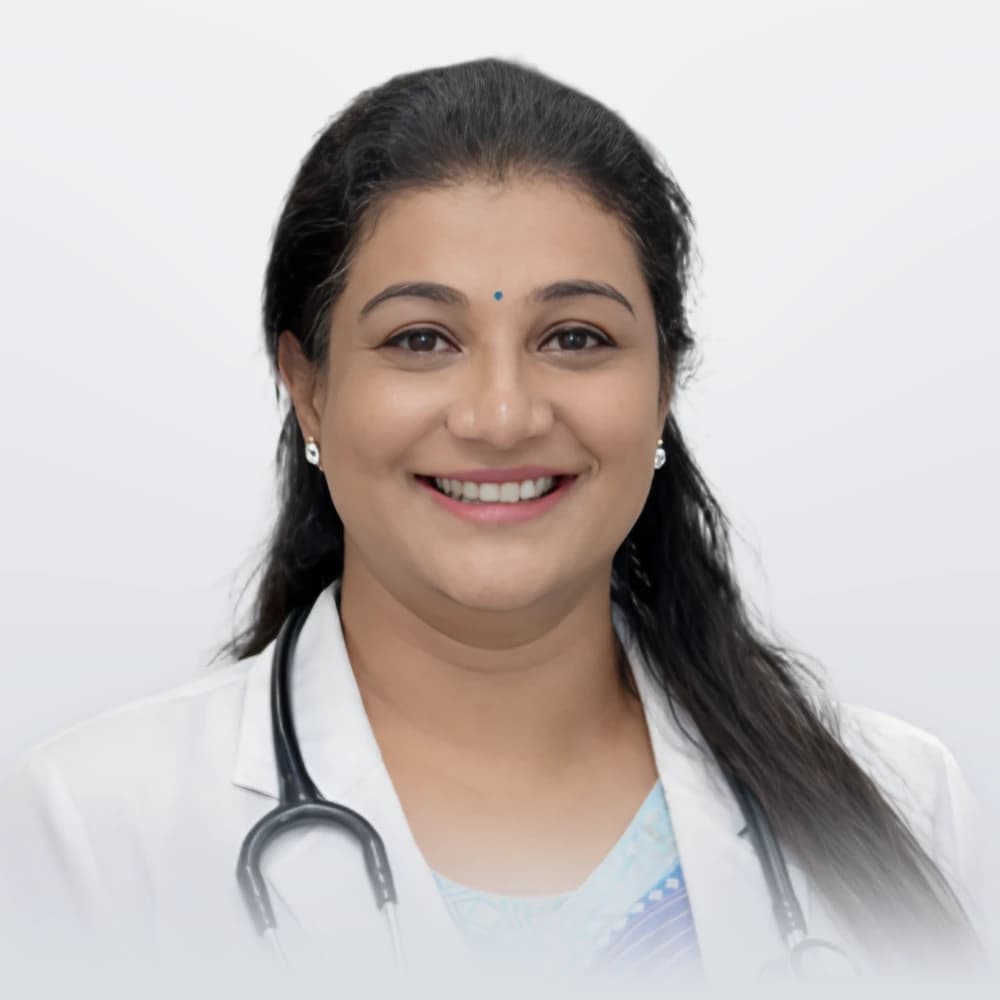
Obstetrics & Gynaecology
Dr. Siri Vani Reddy
Also listed as Dr. Srivani Reddy
- Qualifications
- MBBS, MS (OBG)
- Experience
- 18 years overall; 15 as specialist
- Fee
- ₹700
- Registration
- KMC 79928
★ 99% (976 votes) on Practo
Pregnancy care and follow-up · Normal and caesarean delivery planning · Periods and pelvic pain · PCOS
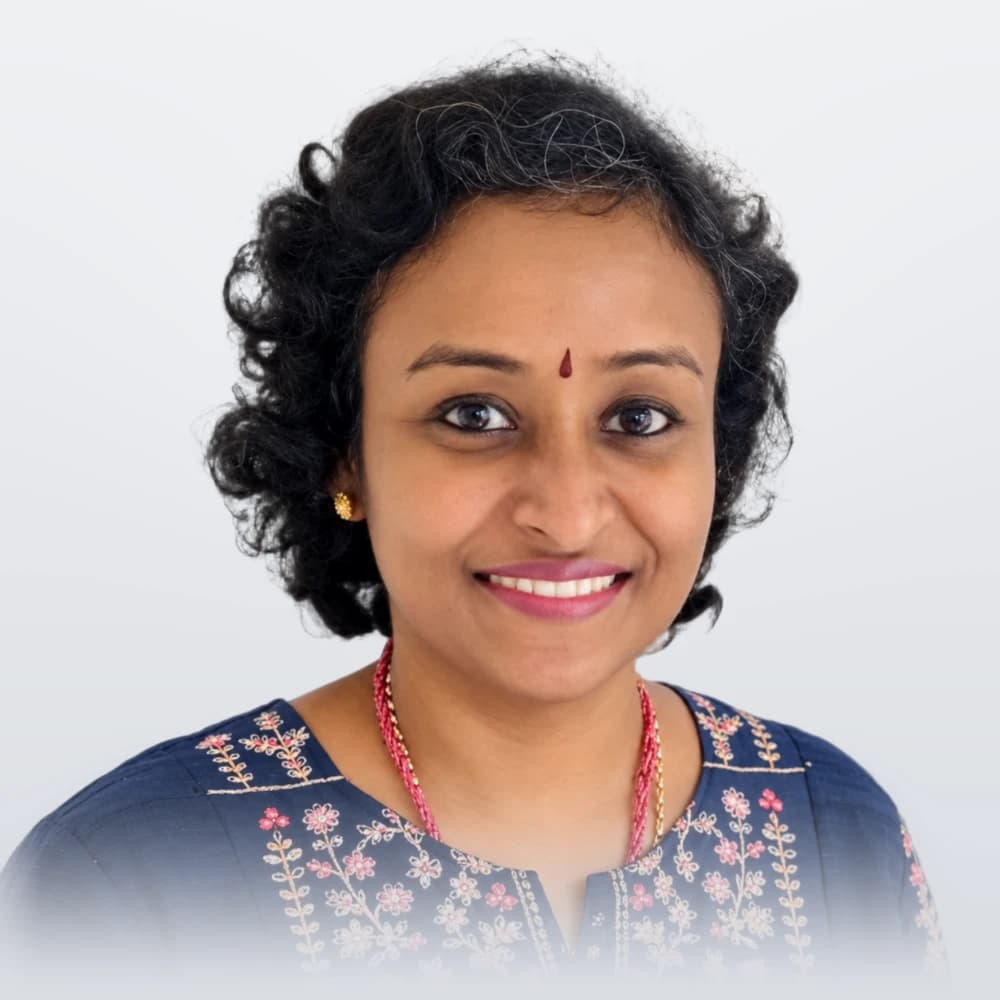
Obstetrics & Gynaecology
Dr. Vishnu Vandana
- Qualifications
- MBBS, MS (OBG)
- Experience
- 21 years overall; 16 as specialist
- Fee
- ₹700
- Languages
- Hindi, English, Tamil, Telugu, Kannada
- Registration
- KMC 88796
★ 92% (97 votes) on Practo
Menstrual changes and pelvic pain · Pregnancy consultation · Fertility and pre-conception · Contraception
Obstetrics & Gynaecology
Dr. Daksha Bakre
- Qualifications
- MBBS, DNB (OBG)
- Experience
- 17 years overall; 13 as specialist
- Fee
- ₹700
- Registration
- KMC 97874
★ 97% (956 votes) on Practo
Menstrual changes and pelvic pain · Pregnancy consultation · Fertility and pre-conception · Contraception
Possible features
Irregular or absent periods, difficulty predicting ovulation, acne, excess facial or body hair and scalp hair thinning can occur. Some people experience fertility difficulty or metabolic risk, while others have few symptoms.
Symptoms overlap with thyroid disease, raised prolactin, pregnancy and other hormonal conditions. Adolescents require particular caution because normal pubertal changes can resemble PCOS.
- Irregular cycles
- Clinical androgen symptoms
- Fertility concerns
- Acne or hair change
- Weight and metabolic health
- Family history
How PCOS is assessed
The clinician reviews cycle history, pregnancy possibility, medicines, weight change and signs of other endocrine conditions. Tests are selected to confirm relevant features and exclude alternatives. Ultrasound is useful in selected patients but is not always required.
Assessment also considers blood pressure, glucose and lipid risk, sleep and emotional wellbeing because PCOS can affect health beyond periods.
- Menstrual history
- Pregnancy test when relevant
- Targeted hormone tests
- Metabolic risk assessment
- Ultrasound when appropriate
- Mental-health and sleep context
Treatment follows the patient’s goal
A patient seeking predictable periods may need a different plan from someone seeking pregnancy or treatment for acne. Options can include sustainable lifestyle support, cycle protection, fertility treatment and symptom-focused medicine.
No single diet cures PCOS. Weight-focused conversations should be respectful and should not delay care for patients at any body size.
- Cycle regulation
- Endometrial protection
- Acne and hair-symptom management
- Fertility planning
- Glucose and cardiovascular prevention
- Long-term review
When to seek earlier advice
Heavy bleeding causing faintness or breathlessness, severe pelvic pain, pregnancy-related pain or bleeding, or symptoms of very high glucose need prompt assessment. If periods remain absent for long intervals, discuss endometrial protection rather than waiting indefinitely.
- Very heavy bleeding
- Severe or sudden pelvic pain
- Possible pregnancy complication
- Long gaps without periods
- Symptoms of high glucose
- Significant emotional distress
Medical information is general and does not replace an individual consultation.
PATIENT QUESTIONS
PCOS: questions patients ask
What is PCOS?
Polycystic ovary syndrome (PCOS) is a common hormonal condition that can cause irregular or missed periods, excess facial or body hair, acne, scalp hair thinning, weight gain and difficulty conceiving. It is linked with insulin resistance and can increase the long-term risk of diabetes and heart disease. Symptoms vary widely between women.
How is PCOS diagnosed?
PCOS is usually diagnosed when at least two of three features are present: irregular or absent ovulation, signs or blood tests showing raised male-type hormones, and polycystic-appearing ovaries on ultrasound, after other causes have been excluded. A gynaecologist may also check thyroid function, prolactin, blood sugar and cholesterol.
Can PCOS be cured?
PCOS cannot be cured, but its symptoms and health risks can be managed well. Healthy eating, regular activity and even modest weight loss in those who are overweight can improve periods, ovulation and metabolic health. Medicines may be used to regulate cycles, reduce hair growth or acne, or help with fertility.
Can I get pregnant if I have PCOS?
Many women with PCOS conceive, sometimes naturally and sometimes with help. Lifestyle changes and medicines that encourage ovulation are common first steps, with further fertility treatment if needed. If you are trying to conceive and your periods are irregular, see a gynaecologist early rather than waiting.
When should I see a doctor about PCOS symptoms?
See a gynaecologist if your periods are irregular, absent for several months or very heavy, if you notice increasing facial or body hair, persistent acne or hair thinning, or if you are having difficulty conceiving. Seek prompt care for very heavy bleeding, severe pelvic pain or fainting.
Which doctor should I see for PCOS at Lotus?
A gynaecologist is usually the first specialist for PCOS, working with a physician or dermatologist when needed. Book online with a doctor listed on the Obstetrics & Gynaecology page, send a WhatsApp message, or call the care team on +91 80505 98999. Note your cycle dates before the visit.
LOCATION & DIRECTIONS
Getting to Lotus Hospital, HSR Layout
Lotus Multi Speciality Hospital
2361, 24th Main Road, 1st Sector, HSR Layout, Bengaluru, Karnataka 560102
Near Bangalore One, HSR Layout 1st Sector
Open 24 hours, 7 days · OPD timings vary by doctor
Lotus is on 24th Main Road in Sector 1, near Bangalore One. Autos and cabs can drop at the entrance on 24th Main.
Head into HSR Sector 1 from the Agara Lake side of the Outer Ring Road and continue to 24th Main Road.
Take the Sarjapur Road or 27th Main HSR approach towards Sector 1, then turn onto 24th Main Road.
Travel along the Outer Ring Road towards Agara, enter HSR Layout Sector 1 and continue to 24th Main Road.
Use the Outer Ring Road from Silk Board towards HSR Layout and turn into Sector 1.
Cross from Hosur Road into HSR Layout through the Sector 7 side and continue north to Sector 1.
Come towards Agara and the Outer Ring Road junction, then into HSR Layout Sector 1.
Take Hosur Road to Silk Board, then the Outer Ring Road into HSR Layout. Best for planned visits.
Travel time changes with traffic. Check live directions before you leave and allow time for registration.