

ENT surgery for the nose and throat includes FESS (functional endoscopic sinus surgery) to open blocked sinuses, septoplasty to straighten a bent nasal septum, and tonsillectomy to remove repeatedly infected or obstructing tonsils, for people whose symptoms persist despite proper medical treatment. Most go home the same day or next day; recovery takes one to three weeks. Most blocked noses, sinus infections and sore throats never need an operation, so surgery is considered only after a careful examination and a fair trial of treatment.
YOUR SURGEON
Who treats this at Lotus

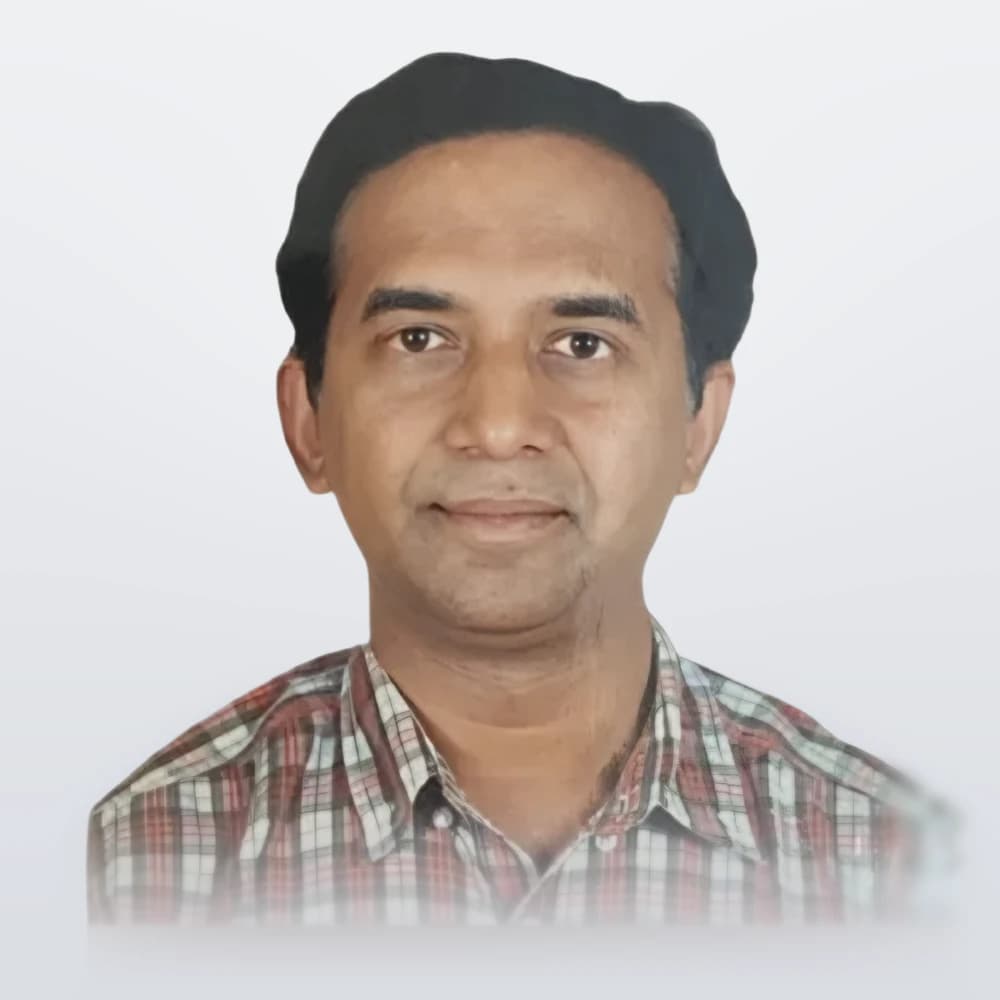
ENT
Dr. Mahesh Meda
- Qualifications
- MBBS, DLO, DNB (ENT)
- Fee
- ₹700
- Languages
- English, Hindi
- Registration
- KMC 47866
COST IN BANGALORE
How much does sinus, septum & tonsil surgery cost in Bangalore?
₹50,000 to ₹1,20,000Bengaluru market range · HexaHealth — FESS cost in Bangalore ↗ · as of 2026-10-14
Typical hospital stay: 1 day
Bengaluru market estimate for functional endoscopic sinus surgery (FESS), as published by HexaHealth (average ₹55,000). The same page elsewhere quotes ₹30,000 to ₹1,30,000; adding septoplasty or turbinate surgery changes the cost. This is not a Lotus quote. Ask the Lotus team for an itemised estimate for your case and insurance.
What is included, excluded and what changes the price →INSURANCE & CASHLESS
Using health insurance at Lotus
Lotus works with health insurers and TPAs for cashless and reimbursement claims. Share your policy details before a planned admission and the care team checks eligibility and pre-authorisation for you.
Who needs sinus surgery, septoplasty or tonsillectomy?
FESS is considered for chronic rhinosinusitis, meaning nasal blockage, discharge, facial pressure or reduced smell lasting more than twelve weeks, confirmed by endoscopy or CT, that has not improved with a proper course of saline rinses and steroid nasal sprays. It is also used for nasal polyps, recurrent acute sinusitis, fungal sinus disease and complications of sinusitis. Septoplasty is for a deviated septum that clearly causes persistent nasal blockage; it may be combined with reduction of the turbinates or with FESS.
Tonsillectomy is considered for frequent, well-documented throat infections (for example, about seven in one year, five a year for two years, or three a year for three years), recurrent peritonsillar abscess (quinsy), and, in children, enlarged tonsils and adenoids causing snoring with pauses in breathing during sleep. Headache or facial pain alone is rarely caused by sinus disease, and allergic rhinitis is treated with medicines, not surgery.
- Chronic rhinosinusitis not responding to medical treatment
- Nasal polyps
- Deviated septum causing persistent obstruction
- Recurrent, documented tonsillitis
- Recurrent quinsy
- Sleep-disordered breathing in children with large tonsils
What can be tried before surgery?
Most sinus and nasal symptoms are managed with daily saline rinses, correctly used steroid nasal sprays, antihistamines for allergy, and short courses of antibiotics or oral steroids when specifically indicated. Many people use sprays with the wrong technique; aiming slightly outward, away from the septum, improves results. Avoiding smoke and controlling dust exposure at home and work help, and Bengaluru’s dusty roads and seasonal pollen can make allergic symptoms worse.
For severe nasal polyps that return despite surgery and steroids, biologic injections are an option for selected patients and are expensive. A large randomised trial in the UK found septoplasty more effective than medical treatment for adults with a deviated septum and persistent obstruction, but only after a trial of medical therapy. For tonsils, watchful waiting is reasonable when infections are less frequent, because many children outgrow them.
- Saline nasal rinses
- Steroid nasal sprays used with correct technique
- Allergy assessment and treatment
- Targeted antibiotics or short oral steroid courses
- Biologic injections for selected severe polyps
- Watchful waiting for less frequent tonsillitis
How is the decision made, and what tests are done before surgery?
The ENT surgeon examines the nose with a thin endoscope in the clinic, usually under local anaesthetic spray. A CT scan of the paranasal sinuses shows which sinuses are blocked and maps the anatomy close to the eyes and skull base, which is essential for planning FESS. Allergy tests may be advised. For snoring or suspected sleep apnoea, a sleep study may be needed, particularly in adults.
Before surgery, routine tests may include a blood count, bleeding and clotting tests if there is a history of easy bleeding, blood sugar and an anaesthetic review. Tell the team about aspirin, blood thinners, herbal supplements and any asthma, because aspirin-sensitive asthma often accompanies nasal polyps. Children have their weight checked and any recent cold reviewed, as surgery may be postponed during an active infection.
- Why is surgery recommended now, and what will it improve?
- Which sinuses or structures will be operated on?
- Will I have nasal packs or splints?
- Will my sense of smell improve?
- What is the chance symptoms or polyps return?
- How much time off work or school should I plan?
How are FESS, septoplasty and tonsillectomy done?
FESS is performed through the nostrils using an endoscope, so there are no cuts on the face. The surgeon removes the blockages and polyps that obstruct the natural drainage pathways of the sinuses, preserving the lining as much as possible. Image-guided navigation is sometimes used for revision or complex cases; ask whether it is needed and available. Balloon dilation of sinus openings is an alternative for a small, selected group. Septoplasty is also done through the nostril: the surgeon lifts the lining, straightens or removes the bent cartilage and bone, and may place soft splints for a few days.
Tonsillectomy removes the tonsils through the mouth. Techniques include cold steel dissection, bipolar diathermy and coblation; for children with large tonsils causing sleep problems, partial (intracapsular) removal is used by some surgeons. No technique removes all risk of bleeding; the surgeon’s familiarity with the method matters more than the device. Adenoids are often removed at the same time in children.
- FESS: endoscopic, through the nostrils, no facial cuts
- Image guidance for selected complex or revision cases
- Septoplasty: straightening the septum from inside the nose
- Turbinate reduction to improve airflow
- Tonsillectomy by cold steel, bipolar or coblation
- Adenoidectomy with tonsillectomy in many children
How long is the hospital stay after sinus surgery or tonsillectomy?
All three operations are usually done under general anaesthesia. FESS and septoplasty typically take one to two hours and are often day-care or overnight procedures. Tonsillectomy takes about 30 to 45 minutes; adults and older children may go home the same day or the next morning, while young children and those with sleep apnoea are often kept overnight for monitoring.
You may wake with soft nasal packs or splints, causing mouth breathing and a dry throat for a day or two. A family member should accompany you home, and you should avoid driving for at least 24 hours after anaesthesia. Pack your own soft pillows to keep the head raised at night.
- General anaesthesia
- FESS or septoplasty: day care or one night
- Tonsillectomy: same day or overnight
- Overnight observation for young children or sleep apnoea
- Nasal packs or splints removed in a few days
- Escort home and no driving for 24 hours
What are the risks of FESS, septoplasty and tonsillectomy?
After nasal and sinus surgery, bleeding, crusting, infection and temporary loss of smell are the commonest problems. Adhesions between the nasal walls can form and may need clinic treatment. Septoplasty can rarely cause a hole in the septum, numbness of the upper teeth or a change in nasal shape. Because the sinuses lie next to the eyes and brain, FESS carries small risks of eye injury, bruising around the eye, and leakage of brain fluid (CSF), which are uncommon but important.
After tonsillectomy, throat pain lasting ten to fourteen days is expected, often with ear pain. The most important risk is bleeding: either within the first 24 hours or, more often, between days five and ten when scabs separate. Dehydration, taste changes and minor voice changes can occur. Polyps and chronic sinus disease can recur, so ongoing nasal sprays and rinses may be needed after FESS.
- Nasal bleeding and crusting
- Adhesions or septal perforation
- Rare eye injury or CSF leak after FESS
- Post-tonsillectomy bleeding, often days five to ten
- Dehydration from painful swallowing
- Recurrence of polyps or sinus disease
Recovery after sinus surgery and tonsillectomy, week by week
After FESS or septoplasty, expect a blocked nose, some bloodstained discharge and fatigue for a week or two. Start saline rinses when advised, sleep with the head raised, do not blow the nose forcefully, and sneeze with the mouth open. Avoid heavy lifting, gym work and swimming for about two weeks. Most people return to desk work in one week.
After tonsillectomy, drinking and eating normally helps healing and reduces bleeding risk. Soft, cool foods work well: curd rice, idli, soft dosa, upma, ragi porridge, kanji, bananas and ice cream. Avoid very hot, spicy, sour or crunchy foods such as chips, murukku and pickles for two weeks. Adults usually need ten to fourteen days off work; children should stay home from school for about two weeks.
- Days 1 to 3: packs or splints removed; nose blocked; regular pain relief; soft diet after tonsillectomy
- Week 1: saline rinses; first clinic review; avoid crowds and smoky places
- Days 5 to 10: highest risk of tonsil bleeding; stay near help
- Week 2: return to work after FESS or septoplasty; continue rinses
- Weeks 2 to 3: return to work or school after tonsillectomy; normal diet
- Weeks 4 to 12: endoscopic reviews and long-term spray plan after FESS
How much does sinus surgery cost in Bangalore?
Costs depend on what is done in a single operation: FESS alone, FESS with polypectomy, septoplasty, turbinate reduction, or several together. Revision surgery, image-guided navigation, coblation or other single-use devices, and nasal splints or dissolvable packing add to the cost. Tonsillectomy is generally shorter, but an overnight stay for a child or for sleep apnoea affects the bill.
Room category, the CT scan and other pre-operative tests, histopathology of removed polyps or tonsils, follow-up endoscopies and post-operative medicines also matter. Ask Lotus for an itemised estimate that lists the procedures planned, devices used and what follow-up visits are included.
- Combination of procedures in one operation
- Revision versus first-time surgery
- Navigation, coblation and single-use devices
- Splints and packing materials
- Room category and overnight stay
- CT, pathology and follow-up endoscopies
Does insurance cover FESS, septoplasty and tonsillectomy?
Medically necessary FESS, septoplasty and tonsillectomy are generally covered by Indian health insurance, and many are listed as day-care procedures. However, sinus disease, deviated septum and tonsil conditions commonly appear in specific-disease waiting period lists, often one to two years, and surgery to change the appearance of the nose (rhinoplasty) is excluded unless needed after an injury. If septoplasty and cosmetic changes are done together, the cosmetic part is not covered.
For cashless treatment, the hospital submits a pre-authorisation request with the CT report, endoscopy findings, ENT notes and estimate to the insurer or TPA, ideally several days in advance. Bring your policy card and photo ID. Check room-rent caps, co-payment and non-payable consumables.
- Specific waiting periods for ENT conditions
- Day-care coverage for many procedures
- Cosmetic nose surgery excluded
- Pre-authorisation with CT and endoscopy findings
- Room-rent caps and co-payment
- Non-payable consumables
Warning signs after ENT surgery that need urgent care
Contact the Lotus team or go to the nearest emergency department immediately if you notice any of the following. After tonsillectomy, any fresh bleeding from the mouth, even a small amount, should be checked the same day, especially in children.
- Bright red bleeding from the nose or mouth that does not stop
- Spitting or vomiting fresh blood after tonsillectomy
- Unable to swallow fluids or signs of dehydration
- Fever with worsening pain
- Swelling around the eye, double vision or reduced vision
- Clear watery drip from one nostril after sinus surgery
- Severe headache or neck stiffness
- Breathing difficulty
- AAO-HNS Clinical Practice Guideline (update): Adult sinusitis — Otolaryngol Head Neck Surg, 2015 (PubMed) ↗
- AAO-HNS Clinical Practice Guideline: Tonsillectomy in children (update) — Otolaryngol Head Neck Surg, 2019 (PubMed) ↗
- NAIROS randomised trial: septoplasty versus medical management — Health Technol Assess, 2024 (PubMed) ↗
- NHS — Sinusitis (sinus infection) ↗
- MedlinePlus — Septoplasty ↗
- MedlinePlus — Tonsillectomy ↗
Medical information is general and does not replace an individual consultation.
PATIENT QUESTIONS
Sinus, Septum & Tonsil Surgery: questions patients ask
How much does sinus surgery cost in Bangalore?
Costs depend on what is done: FESS alone or with polyp removal, septoplasty, turbinate reduction, or several together. Revision surgery, image-guided navigation, single-use devices, splints, room category, overnight stay, the CT scan, histopathology and follow-up endoscopies also matter. Ask Lotus for an itemised estimate that lists the planned procedures and inclusions.
How long is the hospital stay after FESS or septoplasty?
FESS and septoplasty are often day-care procedures or need one night in hospital. You may have soft packs or splints in the nose for a short time. Tonsillectomy is usually same day or overnight, with young children and people with sleep apnoea often kept overnight. The care team confirms the plan before admission.
Is sinus surgery painful?
Pain after FESS and septoplasty is usually moderate and described as pressure, blockage and a headache-like feeling for a few days, managed with regular painkillers. Tonsillectomy is more painful, with throat and ear pain often lasting ten to fourteen days. Taking pain relief regularly and drinking well helps recovery.
Will my sinus problems or nasal polyps come back after surgery?
Surgery opens the sinuses and removes polyps, but chronic rhinosinusitis is a long-term inflammatory condition. Symptoms and polyps can recur, particularly with asthma or aspirin sensitivity. Continuing saline rinses and steroid sprays as advised, and attending follow-up endoscopies, reduces recurrence. Some people need further treatment years later.
When can I go back to work after sinus surgery or tonsillectomy?
Most people return to desk work about one week after FESS or septoplasty. After tonsillectomy, adults usually need ten to fourteen days off and children about two weeks off school, because of pain and the risk of bleeding between days five and ten. Avoid heavy exercise and swimming for about two weeks.
What should I eat after tonsillectomy?
Eat and drink normally as soon as possible, because swallowing helps healing. Soft, cool foods are easiest: curd rice, idli, soft dosa, upma, ragi porridge, kanji, bananas and ice cream. Avoid very hot, spicy, sour or crunchy foods such as chips, murukku and pickles for about two weeks, and drink plenty of fluids.
Does septoplasty change the shape of my nose?
Septoplasty works inside the nose to straighten the septum and improve breathing; it is not designed to change the outside appearance, although a very crooked nose may look slightly straighter. Surgery to reshape the nose is rhinoplasty, a separate procedure that insurance usually does not cover unless it is needed after an injury.
Does insurance cover FESS, septoplasty and tonsillectomy?
Medically necessary procedures are generally covered and many are listed as day care, but ENT conditions often carry a specific waiting period of one to two years in retail policies. Cosmetic nose surgery is excluded. For cashless treatment, the hospital sends a pre-authorisation request with the CT report and endoscopy findings to the insurer or TPA.
Does my child need tonsillectomy for frequent throat infections?
Not always. Tonsillectomy is usually considered when infections are frequent and well documented, for example about seven in one year, five a year for two years, or three a year for three years, or when enlarged tonsils cause snoring with breathing pauses. Many children have fewer infections as they grow, so watchful waiting is often reasonable.
LOCATION & DIRECTIONS
Getting to Lotus Hospital, HSR Layout
Lotus Multi Speciality Hospital
2361, 24th Main Road, 1st Sector, HSR Layout, Bengaluru, Karnataka 560102
Near Bangalore One, HSR Layout 1st Sector
Open 24 hours, 7 days · OPD timings vary by doctor
Lotus is on 24th Main Road in Sector 1, near Bangalore One. Autos and cabs can drop at the entrance on 24th Main.
Head into HSR Sector 1 from the Agara Lake side of the Outer Ring Road and continue to 24th Main Road.
Take the Sarjapur Road or 27th Main HSR approach towards Sector 1, then turn onto 24th Main Road.
Travel along the Outer Ring Road towards Agara, enter HSR Layout Sector 1 and continue to 24th Main Road.
Use the Outer Ring Road from Silk Board towards HSR Layout and turn into Sector 1.
Cross from Hosur Road into HSR Layout through the Sector 7 side and continue north to Sector 1.
Come towards Agara and the Outer Ring Road junction, then into HSR Layout Sector 1.
Take Hosur Road to Silk Board, then the Outer Ring Road into HSR Layout. Best for planned visits.
Travel time changes with traffic. Check live directions before you leave and allow time for registration.