

Irregular periods are cycles that are shorter than 21 days, longer than 35 days, vary a lot from month to month, or come with bleeding between periods. The doctor to see is a gynaecologist, who can look for causes such as pregnancy, PCOS, thyroid problems, stress, weight change or fibroids. Some variation is normal, especially in the first years after periods start and in the years before menopause.
WHICH DOCTOR SHOULD I SEE?
See a gynaecologist for irregular periods
At Lotus Hospital in HSR Layout, irregular periods is assessed by the Obstetrics & Gynaecology team. For severe or sudden symptoms, go to the nearest emergency department or call 112.

Obstetrics & Gynaecology
Dr. Siri Vani Reddy
Also listed as Dr. Srivani Reddy
- Qualifications
- MBBS, MS (OBG)
- Experience
- 18 years overall; 15 as specialist
- Fee
- ₹700
- Registration
- KMC 79928
★ 99% (976 votes) on Practo
Pregnancy care and follow-up · Normal and caesarean delivery planning · Periods and pelvic pain · PCOS
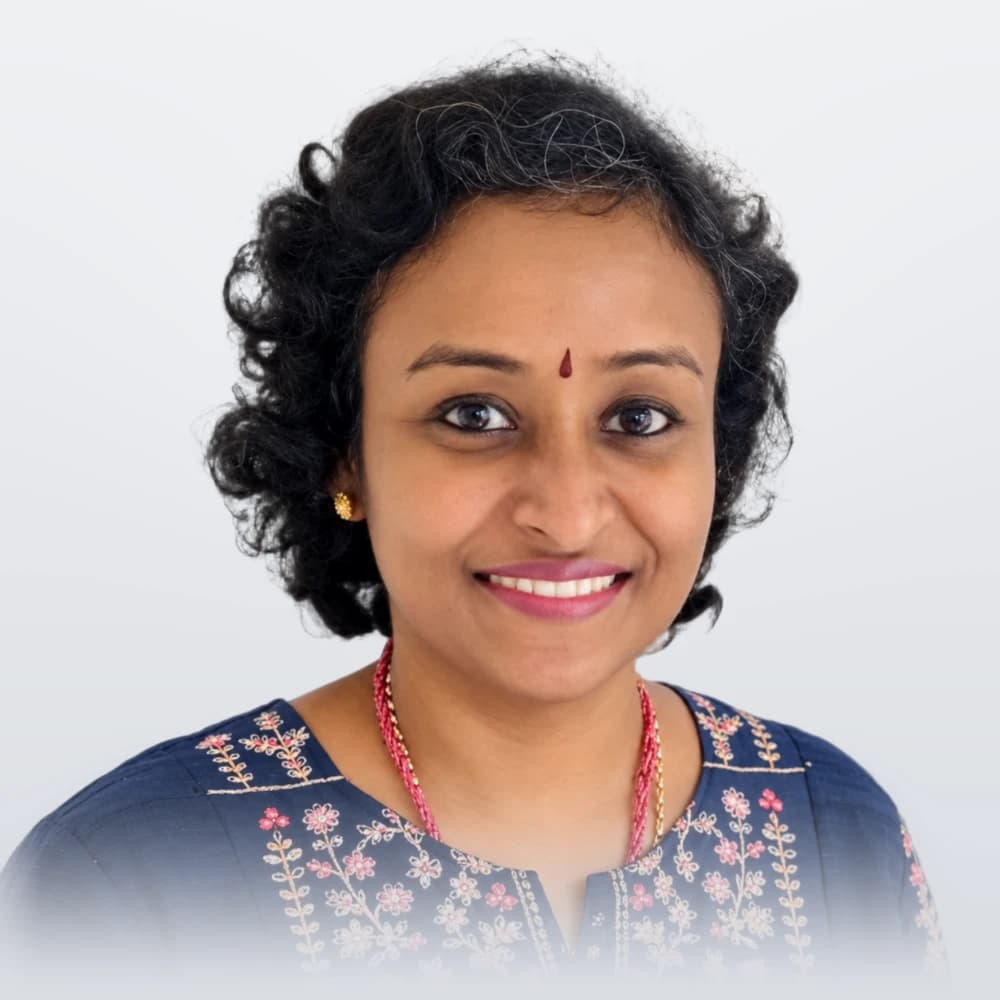
Obstetrics & Gynaecology
Dr. Vishnu Vandana
- Qualifications
- MBBS, MS (OBG)
- Experience
- 21 years overall; 16 as specialist
- Fee
- ₹700
- Languages
- Hindi, English, Tamil, Telugu, Kannada
- Registration
- KMC 88796
★ 92% (97 votes) on Practo
Menstrual changes and pelvic pain · Pregnancy consultation · Fertility and pre-conception · Contraception
Obstetrics & Gynaecology
Dr. Daksha Bakre
- Qualifications
- MBBS, DNB (OBG)
- Experience
- 17 years overall; 13 as specialist
- Fee
- ₹700
- Registration
- KMC 97874
★ 97% (956 votes) on Practo
Menstrual changes and pelvic pain · Pregnancy consultation · Fertility and pre-conception · Contraception
What counts as an irregular period?
A menstrual cycle is counted from the first day of one period to the first day of the next. For most adults it lasts between 21 and 35 days, and bleeding lasts up to about seven days. A cycle that varies by a few days each month is normal. Periods are considered irregular when the gap is regularly outside that range, when cycle length changes by more than about a week from month to month, or when periods stop for three months or more without pregnancy.
Irregular bleeding also includes bleeding between periods, bleeding after sex and any bleeding after menopause. These patterns have different causes from simply late or early periods and need specific assessment.
- Cycles shorter than 21 days or longer than 35 days
- Cycle length varying a lot month to month
- No period for three months or more
- Bleeding between periods or after sex
- Periods lasting more than seven days
- Any bleeding after menopause
What causes irregular periods?
Ovulation drives a regular cycle. Anything that disturbs the signals between the brain, the ovaries and the womb can make periods irregular. Pregnancy is the first thing to rule out. Polycystic ovary syndrome (PCOS) is one of the most common causes in young women and is often accompanied by acne, excess facial or body hair, weight gain or difficulty conceiving.
Thyroid disorders, raised prolactin, significant weight loss or gain, intense exercise, eating disorders, illness, travel, night shifts and stress can all affect ovulation. Hormonal contraception, emergency contraception and some medicines change bleeding patterns. Structural causes such as fibroids, polyps or adenomyosis more often cause heavy or between-period bleeding than missed periods.
- Pregnancy or breastfeeding
- Puberty and perimenopause
- Polycystic ovary syndrome
- Thyroid disease and high prolactin
- Stress, poor sleep and shift work
- Rapid weight change or excessive exercise
- Fibroids, polyps or changes in the womb lining
- Hormonal contraception and some medicines
When is irregular bleeding an emergency?
Most irregular periods can be assessed at a planned appointment. Some situations need same-day care. If any of the following apply, go to the nearest emergency department or call 112 or 108.
A positive pregnancy test with one-sided lower abdominal pain or shoulder-tip pain can be an ectopic pregnancy, which is a medical emergency even if bleeding is light.
- Soaking through a pad or tampon every hour for more than two hours
- Passing large clots with dizziness, fainting or breathlessness
- Severe lower abdominal pain
- A positive pregnancy test with pain or bleeding
- Shoulder-tip pain with abdominal pain
- Fever with abdominal pain or foul-smelling discharge
Which doctor should I see for irregular periods?
A gynaecologist is the specialist for irregular periods, heavy bleeding and bleeding between periods. At Lotus, the obstetrics and gynaecology team assesses menstrual problems, PCOS, fibroids and fertility concerns. When thyroid, diabetes or weight issues are involved, the gynaecologist may work alongside an endocrinologist or physician.
Make an appointment if your periods have changed from your usual pattern, have been irregular for several months, last longer than seven days, or come with symptoms such as acne, facial hair growth, weight gain, tiredness, hair thinning or difficulty conceiving. Do not wait if you are over 45 and have new irregular or between-period bleeding, or if you have any bleeding after menopause.
- Change from your usual cycle pattern
- No periods for three months (and not pregnant)
- Bleeding between periods or after sex
- Heavy bleeding affecting daily life
- Signs of PCOS or thyroid problems
- Trying to conceive with irregular cycles
What happens at the gynaecology consultation?
The gynaecologist asks about your cycle history, the last few period dates, flow, pain, contraception, pregnancy plans, weight change, sleep, stress, medicines and family history. A period tracking app or a simple diary of bleeding days is very helpful, so bring it along.
Examination may include weight, blood pressure, signs of excess androgen such as acne or hair growth, and the thyroid. A pelvic examination is offered when relevant and is done with your consent and a chaperone. Unmarried and younger patients can discuss whether an abdominal rather than internal ultrasound is suitable.
It helps to be open about sexual activity, contraception and any chance of pregnancy, even if it feels awkward; the information is confidential and directly affects which tests are safe and useful. If you are anxious about the examination, say so, and the gynaecologist can explain each step before starting.
- Record period start and end dates for three months
- Note heavy days and clot size
- Bring previous ultrasound and blood reports
- List all medicines and supplements
- Mention any plans for pregnancy
Which tests are done for irregular periods?
A pregnancy test comes first. Blood tests are chosen based on your symptoms rather than as a fixed panel. A pelvic ultrasound looks at the womb lining, ovaries, fibroids and polyps; a transvaginal scan gives clearer pictures, but an abdominal scan is an alternative.
If there is persistent between-period bleeding or other risk factors, particularly in women over 45, the gynaecologist may recommend sampling the womb lining (endometrial biopsy) or a hysteroscopy to look inside the womb.
Some hormone tests are timed to the early days of the cycle, so you may be asked to return on a particular day for blood to be taken.
- Urine or blood pregnancy test
- Complete blood count for anaemia
- Thyroid function (TSH)
- Prolactin
- Hormones such as LH, FSH and testosterone when PCOS is suspected
- Blood sugar or HbA1c
- Pelvic ultrasound
- Endometrial biopsy or hysteroscopy in selected cases
How are irregular periods treated?
Treatment depends on the cause and on what matters to you: regular cycles, lighter bleeding, contraception, relief from acne or hair growth, or pregnancy. If the cause is stress, weight change or exercise, addressing those may be enough. In PCOS, losing even 5 to 10 percent of body weight can restore ovulation in some women.
Hormonal options such as the combined pill, cyclical progestogen or a hormonal intrauterine device (LNG-IUS) regulate bleeding and protect the womb lining. Non-hormonal medicines such as tranexamic acid reduce heavy flow. Thyroid problems and high prolactin are treated directly. Polyps and some fibroids can be removed by hysteroscopy, and larger fibroids may need further procedures. Ovulation induction is used when pregnancy is the goal.
- Lifestyle changes for weight, sleep and stress
- Hormonal pills or intrauterine system
- Tranexamic acid or anti-inflammatory medicines for heavy bleeding
- Treatment of thyroid or prolactin problems
- Metformin in selected women with PCOS
- Iron for anaemia
- Hysteroscopic removal of polyps or fibroids
- Fertility treatment when trying to conceive
How can I support a regular cycle?
Regular meals with enough protein, vegetables and whole grains such as ragi, jowar and dal support hormone balance and help prevent anaemia, which is common in Indian women and worsens fatigue during heavy periods. Limit sugary drinks, bakery items and fried snacks if you have PCOS or are gaining weight.
Long work hours, late screens and night shifts common in Bengaluru’s IT and service sectors disturb sleep, which can affect cycles. Aim for consistent sleep times, at least 150 minutes of moderate activity a week such as brisk walking, cycling or yoga, and avoid crash diets. Keep tracking your cycle so you notice changes early.
- Track periods with an app or diary
- Eat regular, balanced meals
- Include iron-rich foods such as greens, pulses and ragi
- Keep a consistent sleep routine
- Exercise regularly but avoid extreme training
- Seek help for stress, anxiety or disordered eating
When should I follow up for irregular periods?
Most treatments are reviewed after three to six months to see whether bleeding has improved and side effects are acceptable. If you have PCOS, regular checks of weight, blood pressure, blood sugar and cholesterol are advised over the years.
Return sooner if bleeding becomes heavier, you develop pain, you have bleeding between periods or after sex, or you want to plan a pregnancy.
- Review three to six months after starting treatment
- Long-term metabolic checks in PCOS
- Earlier review for new or heavier bleeding
- Preconception visit if planning pregnancy
- NHS — Irregular periods ↗
- NHS — Missed or late periods ↗
- NHS — Heavy periods ↗
- NICE NG88 — Heavy menstrual bleeding: assessment and management ↗
- WHO — Polycystic ovary syndrome ↗
Medical information is general and does not replace an individual consultation.
PATIENT QUESTIONS
Irregular Periods: questions patients ask
How late can a period be before I should worry?
If your period is more than a week late and you are sexually active, take a pregnancy test first. Occasional late periods are common after stress, illness or travel. See a gynaecologist if you miss three periods in a row without pregnancy, if your cycles are regularly longer than 35 days or shorter than 21 days, or if the change comes with other symptoms such as weight gain or excess hair.
Can stress cause irregular periods?
Yes. Significant stress affects the hormone signals from the brain that trigger ovulation, so periods can come late, early or not at all. Exams, work pressure, relationship problems, poor sleep and night shifts are common triggers. Cycles usually settle when stress eases, but if irregularity continues for several months, it is worth a check to make sure there is no other cause such as PCOS or a thyroid problem.
Do irregular periods mean I have PCOS?
Not always. PCOS is a common cause, especially when irregular periods come with acne, excess facial or body hair, or weight gain, but thyroid problems, high prolactin, weight change, stress and excessive exercise can also cause irregular cycles. Diagnosis relies on your symptoms, blood tests and sometimes an ultrasound. A gynaecologist can confirm or rule out PCOS and explain what it means for you.
Can I get pregnant if my periods are irregular?
Yes, many women with irregular periods conceive, but irregular cycles can mean ovulation is less frequent, so it may take longer. Tracking ovulation can be harder. If you are under 35 and have tried for a year, or over 35 and tried for six months, or if periods are very infrequent, see a gynaecologist. Treating the underlying cause or using medicines to help ovulation can improve the chances.
Are irregular periods normal in teenagers?
Yes. In the first two to three years after periods start, cycles are often irregular as the hormonal system matures. See a doctor if a teenager has no periods by age 15, has very heavy bleeding, bleeds for more than seven days, has periods more often than every 21 days, or goes more than three months without a period after cycles had become regular.
Is it normal for periods to become irregular in my 40s?
Yes, cycles often change in the years before menopause, a stage called perimenopause. Periods may come closer together, further apart, heavier or lighter. However, bleeding between periods, after sex, or very heavy bleeding should be checked, particularly after 45, because polyps, fibroids or changes in the womb lining need to be excluded. Any bleeding after menopause should always be assessed promptly.
Do I need hormone tablets to regulate my periods?
Not always. If the cause is weight change, stress or exercise, lifestyle steps may be enough. Hormonal treatment is often used to protect the womb lining when periods are very infrequent, to control heavy bleeding, or to provide contraception. Your gynaecologist will discuss benefits, side effects and alternatives, including non-hormonal options, based on your health and whether you are planning a pregnancy.
Can thyroid problems affect my periods?
Yes. An underactive thyroid can cause heavier or more frequent periods and sometimes missed periods, while an overactive thyroid can make periods lighter or less frequent. Thyroid problems are common in Indian women, and a simple blood test (TSH) checks for them. Treating the thyroid condition often helps the cycle return to normal, and is also important before and during pregnancy.
LOCATION & DIRECTIONS
Getting to Lotus Hospital, HSR Layout
Lotus Multi Speciality Hospital
2361, 24th Main Road, 1st Sector, HSR Layout, Bengaluru, Karnataka 560102
Near Bangalore One, HSR Layout 1st Sector
Open 24 hours, 7 days · OPD timings vary by doctor
Lotus is on 24th Main Road in Sector 1, near Bangalore One. Autos and cabs can drop at the entrance on 24th Main.
Head into HSR Sector 1 from the Agara Lake side of the Outer Ring Road and continue to 24th Main Road.
Take the Sarjapur Road or 27th Main HSR approach towards Sector 1, then turn onto 24th Main Road.
Travel along the Outer Ring Road towards Agara, enter HSR Layout Sector 1 and continue to 24th Main Road.
Use the Outer Ring Road from Silk Board towards HSR Layout and turn into Sector 1.
Cross from Hosur Road into HSR Layout through the Sector 7 side and continue north to Sector 1.
Come towards Agara and the Outer Ring Road junction, then into HSR Layout Sector 1.
Take Hosur Road to Silk Board, then the Outer Ring Road into HSR Layout. Best for planned visits.
Travel time changes with traffic. Check live directions before you leave and allow time for registration.