


Knee replacement is an operation for selected people whose knee-joint damage causes substantial pain and loss of function. It is not chosen from an X-ray alone. A sound decision connects symptoms, examination, imaging, general health, response to non-surgical care and the patient’s goals, then weighs likely benefit against surgical and recovery risks.
YOUR SURGEON
Who treats this at Lotus
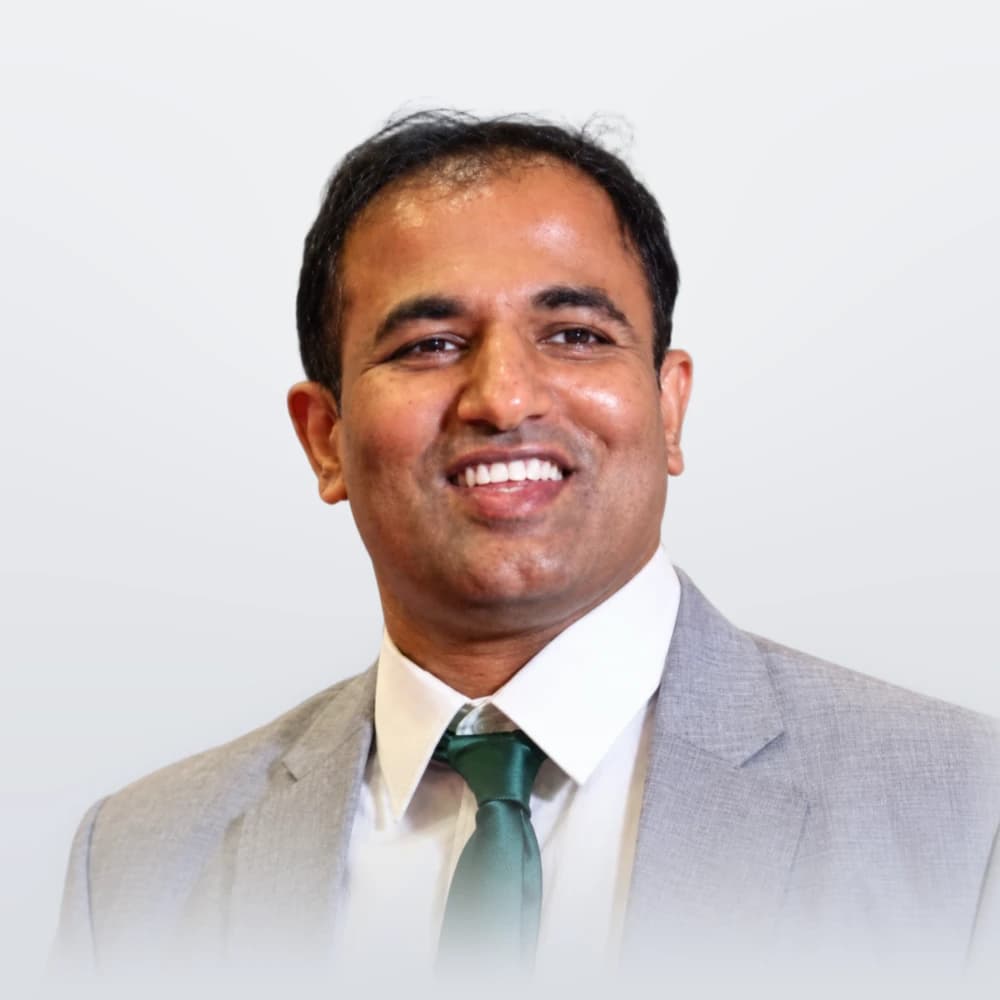
Orthopaedics
Dr. Sridhar Reddy
Also listed as Dr. Shridhar Reddy
- Qualifications
- MBBS, MS (Ortho), FIAS
- Experience
- 19 years
- Fee
- ₹700
- Languages
- English
- Registration
- KMC 70540
★ 97% (2674 votes) on Practo
Joint pain · Back and neck pain · Sports and activity-related injuries · Musculoskeletal injuries

Orthopaedics
Dr. Srinivas Reddy G.
Also listed as Dr. Srinivas Reddy
- Qualifications
- D.Ortho, DNB (Ortho)
- Experience
- 21 years
- Fee
- ₹700
- Languages
- English
- Registration
- KMC 55782
Trauma and fractures · Joint replacement (arthroplasty) · Arthroscopic surgery · Sports injuries and sports medicine
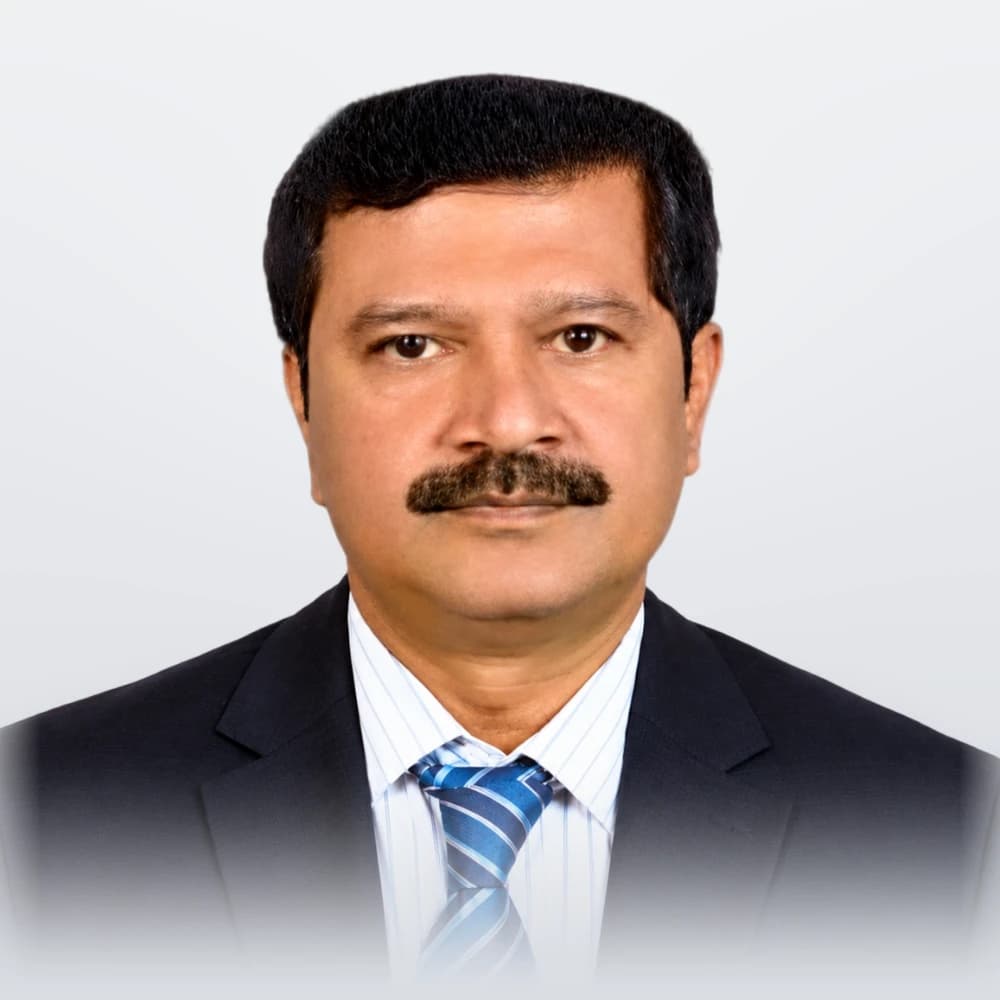
Orthopaedics
Dr. K. N. Srinivas
- Qualifications
- MBBS, MS (Ortho), D.Ortho
- Experience
- 38 years
- Fee
- ₹700
- Languages
- English
- Registration
- KMC 23471
Joint replacement · Knee pain and osteoarthritis · Hip pain and arthritis · Back pain
Orthopaedics
Dr. Ganesh
- Fee
- ₹700
Knee pain and swelling · Knee injury · Knee osteoarthritis · Lower-back pain
COST IN BANGALORE
How much does knee replacement surgery cost in Bangalore?
₹1,50,000 to ₹3,50,000Bengaluru market range · Ditto — Knee replacement surgery cost ↗ · as of 2026-10-14
Typical hospital stay: 4 to 6 days
Bengaluru market estimate for knee replacement (one knee), as published by Ditto. Other Bangalore estimates broadly agree: HexaHealth lists ₹1,75,000 to ₹4,00,000 for one knee and ₹4,50,000 to ₹6,00,000 for both knees, and Bajaj Finserv Health gives a wider ₹80,000 to ₹5,45,000 spread. Hospital stay is as stated by HexaHealth. This is not a Lotus quote. Ask the Lotus team for an itemised estimate for your case and insurance.
What is included, excluded and what changes the price →INSURANCE & CASHLESS
Using health insurance at Lotus
Lotus works with health insurers and TPAs for cashless and reimbursement claims. Share your policy details before a planned admission and the care team checks eligibility and pre-authorisation for you.
When knee replacement may be considered
The discussion commonly begins when knee arthritis causes persistent pain, stiffness, reduced walking, sleep disturbance or difficulty with stairs and essential daily activities. Imaging should support the clinical picture, but severe-looking arthritis can be less symptomatic in one person than another.
Before surgery, the team reviews whether education, exercise, physiotherapy, weight support where relevant, suitable pain relief and other non-operative measures have provided enough benefit. There is no single pain score or age that decides surgery.
- Pain and disability affecting daily life
- Clinical and imaging evidence of joint damage
- Reasonable non-surgical care has been considered
- Patient goals are realistic
- Health risks can be optimised
- Commitment to rehabilitation
Pre-operative assessment and preparation
Preparation may include medical and anaesthetic review, blood tests, imaging, medicine reconciliation and assessment of infection, clot and wound-healing risks. Diabetes control, smoking or nicotine exposure, nutrition, dental infection and skin problems may affect timing.
Patients should understand which medicines to continue or stop, fasting instructions, expected implant and anaesthesia plan, likely stay and arrangements for transport and support at home. Do not stop blood thinners or diabetes medicines without a specific plan.
- Anaesthetic and medical fitness
- Blood-thinner and diabetes plan
- Infection and skin checks
- Home and mobility preparation
- Consent and implant questions
- Early rehabilitation planning
The operation and realistic outcomes
Knee replacement resurfaces damaged joint surfaces with prosthetic components. Total and partial replacement have different indications. The aim is usually meaningful pain reduction and improved function, not a knee that feels identical to a natural, uninjured joint.
Important risks include infection, blood clots, stiffness, persistent pain, nerve or vessel injury, implant wear and the possibility of future revision. Individual risk depends on health, procedure and recovery factors; percentages should come from the treating team’s current evidence and consent materials.
- Total versus partial replacement
- Anaesthesia and pain-control approach
- Expected limits as well as benefits
- Infection and clot prevention
- Implant longevity and revision
- Hospital-specific pathway confirmation
Recovery and rehabilitation
Movement and physiotherapy usually begin early according to the surgical plan. Recovery progresses through swelling and wound management, comfortable walking, range of movement, strength, balance and return to daily tasks. Improvement continues over months and is not perfectly linear.
Seek prompt advice for increasing wound redness or drainage, persistent fever, sudden calf swelling, chest pain, severe breathlessness, new weakness or pain that changes sharply. Follow the team’s instructions for dressings, medicines, walking aids and clot prevention.
- Early safe mobilisation
- Wound and swelling care
- Progressive range and strength
- Walking-aid progression
- Driving and work guidance
- Scheduled surgical review
Questions before deciding
Ask why replacement is recommended now, which alternatives remain, whether partial or total replacement fits, and what functional improvement is realistic. Discuss the surgeon’s plan, implant considerations, blood-management approach and what could delay discharge.
Ask how rehabilitation is coordinated, who to contact with a wound concern, which activities remain limited and how costs may change if a complication or longer stay occurs.
- What outcome is realistic for me?
- What happens if I wait?
- Which material risks matter most?
- How should medicines be managed?
- What help will I need at home?
- When will progress be reviewed?
Medical information is general and does not replace an individual consultation.
PATIENT QUESTIONS
Knee Replacement Surgery: questions patients ask
When is knee replacement surgery needed?
Knee replacement is considered when arthritis or joint damage causes persistent pain, stiffness and difficulty walking, climbing stairs or sleeping despite a fair trial of exercise, physiotherapy, weight management, medicines and other non-surgical care. The decision rests on symptoms, examination and imaging together, not an X-ray alone, and on your goals and general health.
What is the difference between total and partial knee replacement?
A total knee replacement resurfaces all the worn parts of the knee joint, while a partial (unicompartmental) replacement resurfaces only one damaged section. Partial replacement suits a smaller group of patients whose arthritis is limited to one area and whose ligaments are healthy. Your surgeon will explain which option fits your knee after examination and imaging.
How long is the hospital stay and recovery after knee replacement?
Most patients stay in hospital for a few days, and published Bengaluru estimates commonly cite four to six days, though your surgeon will advise on your own plan. Walking with support usually begins within a day or two. Many people return to light daily activities in about six weeks, while strength and comfort keep improving for several months.
What are the risks of knee replacement?
Important risks include infection, blood clots in the leg or lungs, stiffness, ongoing pain, wound problems, nerve or blood-vessel injury, and implant loosening or wear that may need revision surgery years later. Your individual risk depends on your health and the procedure, and your surgeon should discuss it with you before you consent.
How should I prepare for knee replacement surgery?
Preparation usually includes blood tests, an ECG, an anaesthetic review and checks for infection, including dental and skin problems. Keep diabetes and blood pressure well controlled, stop smoking, and ask which medicines to pause, especially blood thinners. Prepare your home with a firm chair, clear walkways and help for the first weeks.
How much does knee replacement cost in Bangalore?
Costs vary widely with the implant, technique, room category and length of stay. Published Bengaluru market estimates are a useful starting point, but they vary between sources and hospitals. For your own estimate, consult a Lotus orthopaedic surgeon and ask for a written, itemised quote that states what is included and excluded.
Is knee replacement covered by health insurance?
Most health policies cover medically necessary knee replacement, but waiting periods, room-rent limits and implant sub-limits often apply. Lotus works with many insurers and TPAs; share your policy details with the care team before admission so eligibility and pre-authorisation can be checked, and confirm cashless approval rather than assuming it.
How do I consult a knee replacement surgeon at Lotus?
Book online with an orthopaedic surgeon listed on the Orthopaedics page, send a WhatsApp message, or call the care team on +91 80505 98999. Bring your X-rays, MRI reports and list of medicines. The surgeon will assess whether replacement is right for you now or whether other treatment should be tried first.
LOCATION & DIRECTIONS
Getting to Lotus Hospital, HSR Layout
Lotus Multi Speciality Hospital
2361, 24th Main Road, 1st Sector, HSR Layout, Bengaluru, Karnataka 560102
Near Bangalore One, HSR Layout 1st Sector
Open 24 hours, 7 days · OPD timings vary by doctor
Lotus is on 24th Main Road in Sector 1, near Bangalore One. Autos and cabs can drop at the entrance on 24th Main.
Head into HSR Sector 1 from the Agara Lake side of the Outer Ring Road and continue to 24th Main Road.
Take the Sarjapur Road or 27th Main HSR approach towards Sector 1, then turn onto 24th Main Road.
Travel along the Outer Ring Road towards Agara, enter HSR Layout Sector 1 and continue to 24th Main Road.
Use the Outer Ring Road from Silk Board towards HSR Layout and turn into Sector 1.
Cross from Hosur Road into HSR Layout through the Sector 7 side and continue north to Sector 1.
Come towards Agara and the Outer Ring Road junction, then into HSR Layout Sector 1.
Take Hosur Road to Silk Board, then the Outer Ring Road into HSR Layout. Best for planned visits.
Travel time changes with traffic. Check live directions before you leave and allow time for registration.