

A caesarean section (C-section) is an operation to deliver a baby through a cut in the abdomen and womb, used when vaginal birth would be unsafe or is not progressing, or when a mother chooses it after counselling. Most mothers stay in hospital two to four days and recover over about six weeks. If you are planning your birth at Lotus Multi Speciality Hospital in HSR Layout, Bangalore, the obstetric team will talk through whether a caesarean is likely, why, and what it would involve, and will confirm the birth setting and estimate with you.
YOUR SURGEON
Who treats this at Lotus
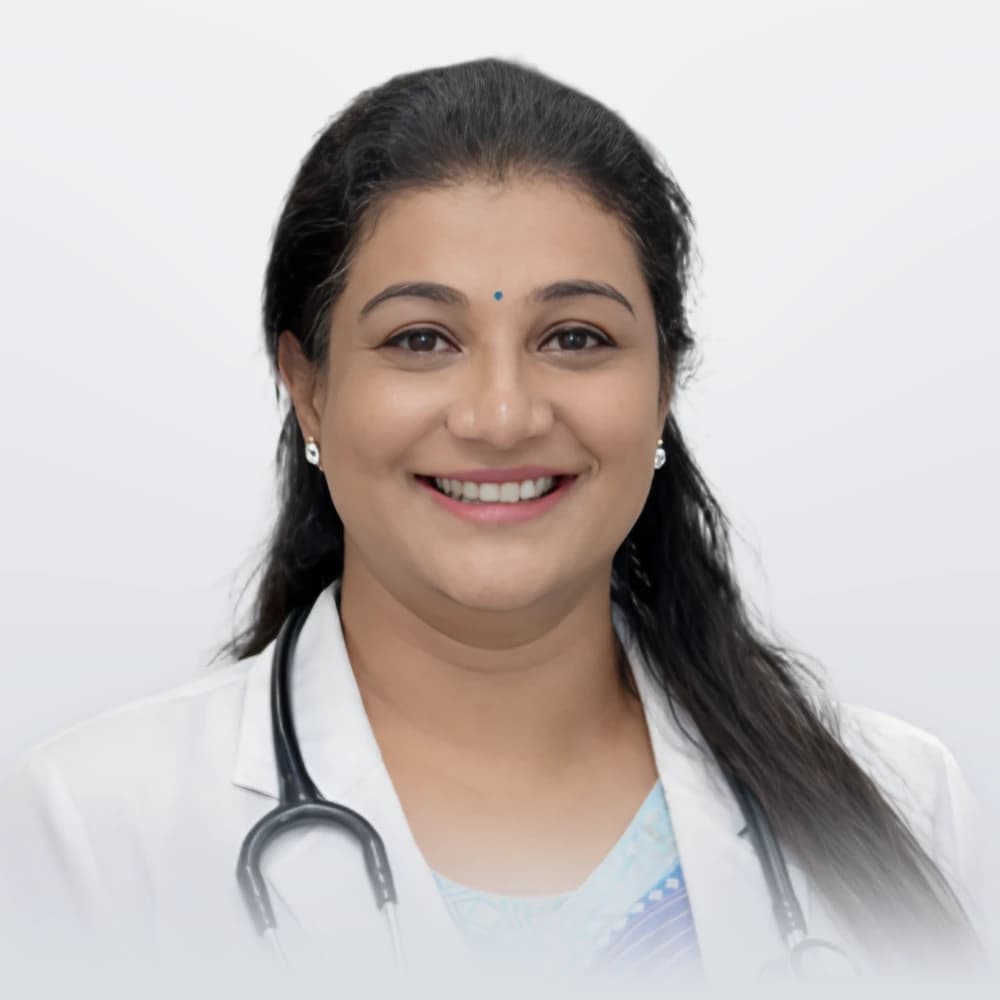
Obstetrics & Gynaecology
Dr. Siri Vani Reddy
Also listed as Dr. Srivani Reddy
- Qualifications
- MBBS, MS (OBG)
- Experience
- 18 years overall; 15 as specialist
- Fee
- ₹700
- Registration
- KMC 79928
★ 99% (976 votes) on Practo
Pregnancy care and follow-up · Normal and caesarean delivery planning · Periods and pelvic pain · PCOS
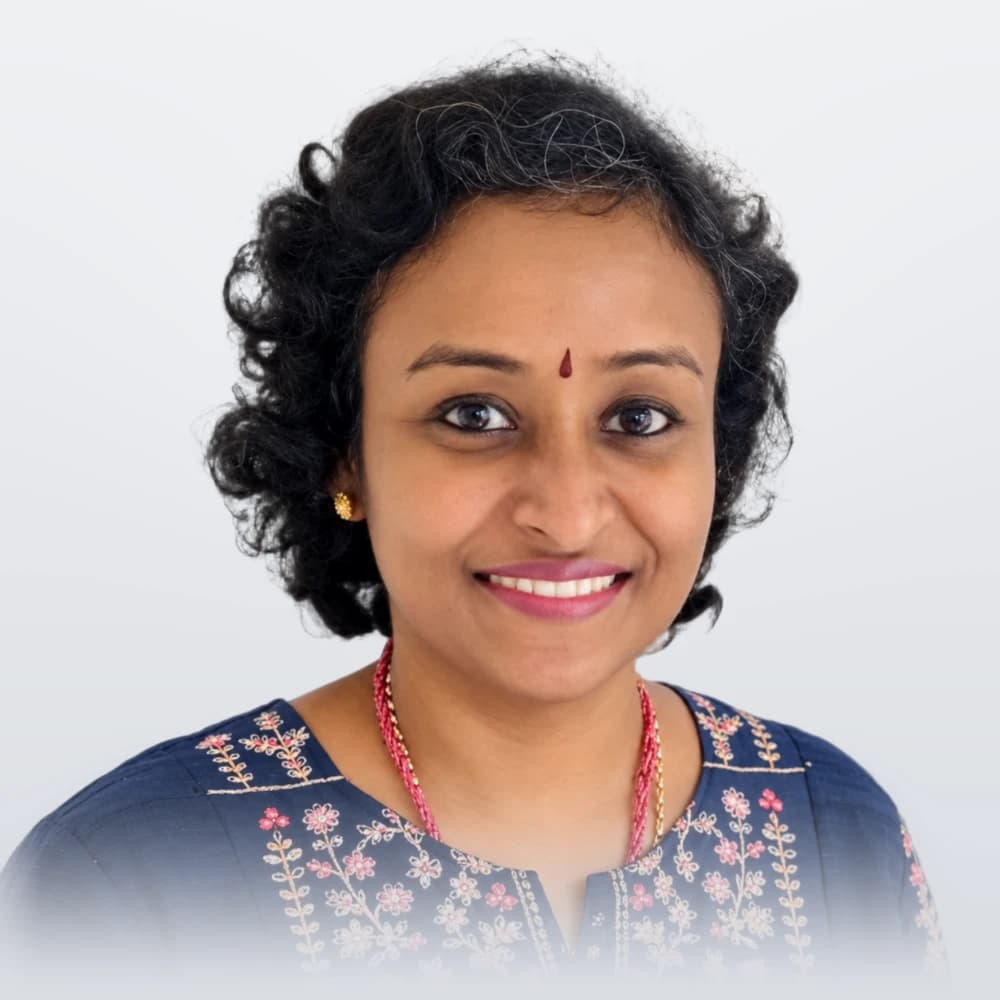
Obstetrics & Gynaecology
Dr. Vishnu Vandana
- Qualifications
- MBBS, MS (OBG)
- Experience
- 21 years overall; 16 as specialist
- Fee
- ₹700
- Languages
- Hindi, English, Tamil, Telugu, Kannada
- Registration
- KMC 88796
★ 92% (97 votes) on Practo
Menstrual changes and pelvic pain · Pregnancy consultation · Fertility and pre-conception · Contraception
Obstetrics & Gynaecology
Dr. Daksha Bakre
- Qualifications
- MBBS, DNB (OBG)
- Experience
- 17 years overall; 13 as specialist
- Fee
- ₹700
- Registration
- KMC 97874
★ 97% (956 votes) on Practo
Menstrual changes and pelvic pain · Pregnancy consultation · Fertility and pre-conception · Contraception
COST IN BANGALORE
How much does caesarean section (c-section) cost in Bangalore?
₹35,000 to ₹1,20,000Bengaluru market range · HexaHealth — Caesarean section cost in Bangalore ↗ · as of 2026-10-14
Typical hospital stay: 2 to 5 days
Bengaluru market estimate for caesarean section, as published by HexaHealth (average ₹75,000); Pristyn Care quotes a typical private-hospital figure of ₹75,000. Sources disagree: Bajaj Finserv Health lists ₹1,23,000 to ₹2,30,000 for Bengaluru, so package scope and room category should be checked. Stay is 2 to 3 days per HexaHealth and 4 to 5 days per Pristyn Care. This is not a Lotus quote. Ask the Lotus team for an itemised estimate for your case and insurance.
What is included, excluded and what changes the price →INSURANCE & CASHLESS
Using health insurance at Lotus
Lotus works with health insurers and TPAs for cashless and reimbursement claims. Share your policy details before a planned admission and the care team checks eligibility and pre-authorisation for you.
When is a C-section needed, and when is it not?
A caesarean may be planned in advance or decided during labour. Planned (elective) caesareans are usually advised for reasons such as a placenta lying over the cervix (placenta praevia), a baby lying bottom-first or sideways at term when turning has not worked or is not suitable, some twin pregnancies, more than one previous caesarean, certain infections such as untreated HIV or a first episode of genital herpes late in pregnancy, or a medical condition that makes labour risky. Emergency caesareans are decided in labour when the baby shows signs of distress, labour stops progressing despite appropriate care, or there is bleeding or a cord problem.
A caesarean is not automatically needed because a baby is large on a scan, because the mother is over 35, because of a single previous caesarean, or because the pregnancy is a ‘precious’ one after fertility treatment. Each of these deserves an individual discussion. A mother can also request a caesarean without a medical reason; national guidance such as NICE recommends that the team explores the reasons, offers support (including for fear of childbirth) and respects an informed choice.
- Placenta praevia or other placental problems
- Breech or transverse position at term
- Two or more previous caesareans
- Fetal distress or labour that does not progress
- Some twin pregnancies and medical conditions
- Informed maternal request after counselling
Can I have a normal delivery after a previous C-section?
Many women who have had one caesarean through a low horizontal cut on the womb can safely attempt vaginal birth after caesarean (VBAC), provided the reason for the first operation is not repeated and the pregnancy is otherwise straightforward. The main risk is a tear in the old scar (uterine rupture), which is uncommon but serious, so VBAC is advised only where labour can be monitored continuously and an emergency caesarean can be performed promptly. Ask the team whether that setting applies to your planned place of birth.
Other alternatives depend on the reason a caesarean is being considered. A breech baby can sometimes be turned by external cephalic version around 36 to 37 weeks. Slow labour may respond to measures such as breaking the waters or a hormone drip. Your obstetrician should explain which options apply to you, what each involves and what happens if it does not work.
- VBAC after one previous low transverse caesarean
- Turning a breech baby (external cephalic version)
- Induction of labour where appropriate
- Support and counselling for fear of childbirth
- A clear plan if labour starts before the booked date
How is the decision made, and what tests are done before a planned C-section?
For a planned caesarean without a pressing medical reason, timing is usually around 39 weeks, because babies born earlier by caesarean are more likely to need help with breathing. If there is a reason to deliver earlier, the obstetrician may discuss steroid injections to help the baby’s lungs. The decision is recorded with the reasons, and you sign consent after the risks and alternatives have been explained.
Routine antenatal results are reviewed, and tests usually include a blood count, blood group and antibody screen, blood sugar where needed, and an ultrasound to confirm the baby’s position and the placenta’s location. Women with diabetes, high blood pressure, thyroid disease, anaemia or blood-thinning medicines need a specific plan. An anaesthetic review checks your back, airway and medical history. Correcting anaemia in the weeks before birth, with iron tablets or an infusion if advised, reduces the chance of needing a transfusion.
- Why is a caesarean recommended for me, and why now?
- What would happen if I wait for labour?
- Can my partner or a family member be with me in theatre?
- Will a paediatrician attend the birth?
- Can we have skin-to-skin contact and delayed cord clamping?
- How will this affect future pregnancies?
What happens during a C-section?
Most caesareans are done under spinal anaesthesia, so you are awake but numb from the chest down. A thin tube (catheter) is placed in the bladder, the abdomen is cleaned and a screen is raised. The obstetrician makes a horizontal cut low on the abdomen, just above the pubic hair line, and then a horizontal cut in the lower part of the womb. The baby is usually delivered within ten minutes; you may feel pulling and pressure but should not feel sharp pain.
After the baby is born, the cord is clamped, the placenta is delivered and the womb and abdomen are closed in layers. The whole operation commonly takes 40 to 60 minutes, longer if there have been previous operations. A vertical (classical) cut on the womb is rarely needed, for example for a very premature baby or an awkwardly placed placenta, and affects advice for future births. Where mother and baby are well, skin-to-skin contact and breastfeeding can begin in theatre or recovery.
- Spinal or epidural anaesthesia in most cases
- Low horizontal skin and womb incisions
- Baby born within minutes of starting
- Placenta delivered and layers closed
- Skin closed with dissolvable stitches, sutures or clips
- Early skin-to-skin and breastfeeding support
How long is the hospital stay after a C-section?
Spinal or epidural anaesthesia is preferred because it is safer for the mother, lets her be awake for the birth and gives good pain relief afterwards. General anaesthesia is used when there is no time for a spinal, when a spinal does not work well or when there is a medical reason. After surgery you are monitored for blood pressure, bleeding and urine output. Most mothers can sip fluids within hours, eat a light meal the same day, and are helped to sit and walk within the first day, which lowers the risk of clots.
The catheter is usually removed within about 12 to 24 hours. NHS guidance notes that women without complications can often go home after one to two days; in many Indian hospitals the usual stay is two to four days, depending on recovery, the baby’s feeding and jaundice checks, and any medical conditions. Hospitals have rules on the number of family attendants, so plan who will stay and who will help at home, especially for the first night.
- Spinal or epidural anaesthesia in most mothers
- Early fluids, food and walking
- Catheter out within about a day
- Regular pain relief that is safe with breastfeeding
- Baby checks, feeding support and jaundice review
- Discharge typically after two to four days
What are the risks of a caesarean section?
A caesarean is a common and generally safe operation, but it is major abdominal surgery. Risks for the mother include wound infection, infection of the womb lining, heavier bleeding that may need a transfusion, blood clots in the legs or lungs, and, less commonly, injury to the bladder, bowel or ureters. Preventive antibiotics, blood clot prevention and early walking are used to reduce these risks. Recovery is generally slower than after a vaginal birth.
For the baby, breathing difficulties in the first days are more common after a planned caesarean before 39 weeks, and there is a small chance of a minor skin nick during delivery. Each caesarean also affects future pregnancies: scar tissue can make later operations longer, and the chance of the placenta growing low or too deeply into the scar (placenta accreta spectrum) rises with each repeat caesarean. This is one reason the WHO and obstetric bodies discourage caesareans that are not medically needed.
- Wound or womb infection
- Bleeding and possible transfusion
- Blood clots in legs or lungs
- Rare bladder or bowel injury
- Breathing difficulty in babies born early
- Placental problems in later pregnancies
C-section recovery week by week
Recovery varies, but most mothers follow a similar pattern. Use the timeline below as a guide and follow your own team’s advice. Traditional confinement practices can be comforting, but restricting water, avoiding a bath or staying in bed all day are not needed and can increase the risk of constipation, infection and clots. Eat home-cooked, balanced meals with dal, vegetables, fruit, curd, eggs or paneer, and whole grains such as ragi; drink enough water to keep urine pale and prevent straining.
Travel home gently: Bengaluru traffic means even short trips can involve long sitting and sudden braking, so sit in the back with a small pillow over the wound and avoid long two-wheeler or autorickshaw rides in the first weeks. Lift nothing heavier than your baby until the team advises otherwise, and wait until you can brake hard and look over your shoulder without pain before driving, often around six weeks; check your motor insurer’s conditions as well.
- Days 1 to 3: walking short distances, wound soreness, regular pain relief, establishing breastfeeding
- Week 1: going home; showers allowed, wound kept clean and dry; clot-prevention injections if prescribed
- Week 2: wound check or stitch removal if needed; short walks around home or the lane
- Weeks 3 to 4: more light household tasks; bleeding (lochia) settling
- Week 6: postnatal check; discussion of contraception, exercise, driving and return to work
- Months 2 to 6: gradual return to core exercise and full activity; the scar continues to strengthen
How much does a C-section cost in Bangalore?
Caesarean costs vary widely between hospitals and between patients, so a single headline figure can be misleading. The final bill depends on whether the caesarean is planned or an emergency, the room category, how many days mother and baby stay, the anaesthetic used, medicines and consumables, and whether the baby needs extra monitoring, phototherapy for jaundice or neonatal care. Pre-existing conditions such as diabetes, high blood pressure, anaemia or previous abdominal surgery can lengthen the operation and the stay.
Many hospitals offer maternity packages, but packages differ in what they include. Check whether antenatal tests, paediatrician visits, baby vaccinations at birth, newborn screening, extra days, blood products and complications are included or billed separately. Ask Lotus for an itemised estimate for your situation, and ask how the estimate would change if a planned birth becomes an emergency or the stay is extended.
- Planned versus emergency caesarean
- Room category and length of stay
- Anaesthesia, medicines and consumables
- Baby’s care: paediatrician, jaundice treatment, neonatal support
- Mother’s medical conditions and blood transfusion
- Package inclusions and exclusions
Is a caesarean delivery covered by health insurance in India?
Maternity cover is not included in every policy. Many retail health policies either exclude maternity or cover it only after a waiting period that can range from several months to a few years, often with a fixed sub-limit for normal and caesarean delivery. Employer group policies frequently include maternity cover, sometimes without a waiting period, and may cover the newborn from birth. Read your policy schedule or ask your HR team or TPA early in pregnancy.
For cashless treatment at a network hospital, the hospital’s insurance desk sends a pre-authorisation request to your insurer or TPA. For a planned caesarean, start this in the weeks before your due date; for an emergency, the request is sent soon after admission. Keep your e-card or policy number, photo ID such as Aadhaar or PAN, the obstetrician’s notes and recent reports ready. Items such as registration, toiletries and some consumables are commonly not payable, and room-rent limits can reduce what is paid on other charges. Final approval is issued at discharge, which can take a few hours.
- Check maternity waiting period and sub-limit
- Confirm newborn cover from day one
- Start pre-authorisation before the due date
- Keep e-card, ID, notes and reports ready
- Ask about room-rent caps and co-payment
- Expect some non-payable items
Warning signs after a C-section that need urgent care
Some discomfort, tiredness and vaginal bleeding are normal after a caesarean. Contact the Lotus team or go to the nearest emergency department without delay for the symptoms below. Do not wait for your scheduled review if something feels seriously wrong, and make sure a family member knows these signs too.
Low mood, anxiety or tearfulness in the first two weeks is common, but persistent low mood, panic, or thoughts of harming yourself or the baby need prompt help. Tell your obstetrician or family doctor; postnatal depression is treatable.
- Heavy bleeding soaking a pad in an hour, or large clots
- Fever, chills or foul-smelling vaginal discharge
- Wound becoming red, hot, swollen, opening or leaking pus
- Pain, swelling or redness in one calf
- Chest pain, breathlessness or coughing blood
- Severe headache, blurred vision or fits
- Severe or worsening abdominal pain
- Burning urine or inability to pass urine
- NICE NG192 — Caesarean birth ↗
- NHS — Caesarean section ↗
- WHO statement on caesarean section rates ↗
- Optimizing caesarean section rates in India — J Obstet Gynaecol India, 2024 (PubMed) ↗
Medical information is general and does not replace an individual consultation.
PATIENT QUESTIONS
Caesarean Section (C-Section): questions patients ask
How much does a C-section cost in Bangalore?
There is no single fair figure, because the bill depends on whether the caesarean is planned or an emergency, the room category, how long mother and baby stay, medicines and consumables, and whether the baby needs phototherapy or neonatal care. Packages also differ in what they include. Ask Lotus for an itemised estimate for your situation, including what changes if the stay is extended.
How many days will I stay in hospital after a caesarean?
Most mothers without complications stay two to four days in Indian hospitals, though some go home sooner. The stay depends on how quickly you are walking, eating and passing urine, how well breastfeeding is going, the baby’s jaundice checks, and any conditions such as high blood pressure or diabetes. The care team confirms the expected stay before admission.
Does health insurance cover a C-section?
Only if your policy includes maternity benefits. Many retail policies have a maternity waiting period and a fixed sub-limit for delivery, while employer group policies often cover maternity sooner. Check whether the newborn is covered from birth. For cashless treatment, the hospital sends a pre-authorisation request to your insurer or TPA before a planned caesarean, or soon after an emergency admission.
Is a C-section painful?
You should not feel sharp pain during the operation, because spinal or epidural anaesthesia numbs you from the chest down; pulling and pressure are normal. Afterwards, wound pain is expected for the first few days and is treated with regular painkillers that are safe with breastfeeding. Most mothers find the pain eases noticeably within one to two weeks.
When can I start walking, eating and breastfeeding after a C-section?
Most mothers sip fluids within hours, eat a light meal the same day and sit up and walk with help within the first day. Early walking lowers the risk of blood clots and helps bowel recovery. Breastfeeding and skin-to-skin contact can usually begin in theatre or the recovery area when mother and baby are well.
When can I drive or return to work after a caesarean?
Driving is usually safe once you can brake hard and turn to look over your shoulder without pain, often around six weeks; check your motor insurance terms. Return to work depends on your job and maternity leave, but most women need at least six weeks before resuming full duties. Avoid lifting anything heavier than your baby until advised.
Can I have a normal delivery after a previous C-section?
Many women who have had one caesarean with a low horizontal cut on the womb can attempt vaginal birth after caesarean (VBAC), provided the pregnancy is straightforward and labour can be monitored continuously with prompt access to emergency surgery. The small but serious risk is scar rupture. Your obstetrician will review your previous operation notes before advising.
How many C-sections can a woman safely have?
There is no fixed number, but each repeat caesarean increases the risk of scar tissue, bladder injury and placental problems such as placenta accreta in a later pregnancy. Women planning a larger family should discuss this early. Your obstetrician will consider your previous operation notes, how the scar healed and your plans when advising about future pregnancies.
What should I eat after a C-section?
Eat balanced, home-cooked meals with protein (dal, curd, paneer, eggs, fish or meat), vegetables, fruit and whole grains such as ragi, and drink enough water to keep urine pale. Fibre and fluids prevent constipation and straining on the wound. Restricting water or food, as some traditional practices suggest, is not needed. Continue iron and calcium tablets if prescribed.
LOCATION & DIRECTIONS
Getting to Lotus Hospital, HSR Layout
Lotus Multi Speciality Hospital
2361, 24th Main Road, 1st Sector, HSR Layout, Bengaluru, Karnataka 560102
Near Bangalore One, HSR Layout 1st Sector
Open 24 hours, 7 days · OPD timings vary by doctor
Lotus is on 24th Main Road in Sector 1, near Bangalore One. Autos and cabs can drop at the entrance on 24th Main.
Head into HSR Sector 1 from the Agara Lake side of the Outer Ring Road and continue to 24th Main Road.
Take the Sarjapur Road or 27th Main HSR approach towards Sector 1, then turn onto 24th Main Road.
Travel along the Outer Ring Road towards Agara, enter HSR Layout Sector 1 and continue to 24th Main Road.
Use the Outer Ring Road from Silk Board towards HSR Layout and turn into Sector 1.
Cross from Hosur Road into HSR Layout through the Sector 7 side and continue north to Sector 1.
Come towards Agara and the Outer Ring Road junction, then into HSR Layout Sector 1.
Take Hosur Road to Silk Board, then the Outer Ring Road into HSR Layout. Best for planned visits.
Travel time changes with traffic. Check live directions before you leave and allow time for registration.