

Pregnancy warning signs are symptoms that can signal a serious problem for mother or baby, such as vaginal bleeding, leaking fluid, severe headache or blurred vision, sudden swelling, severe abdominal pain, fever, or reduced baby movements. Contact your obstetrician (a gynaecologist who manages pregnancy) immediately, and go to emergency care if symptoms are severe. Knowing which symptoms can wait for your next visit and which cannot is one of the most useful things to learn in pregnancy.
WHICH DOCTOR SHOULD I SEE?
See a gynaecologist for pregnancy warning signs
At Lotus Hospital in HSR Layout, pregnancy warning signs is assessed by the Obstetrics & Gynaecology team. For severe or sudden symptoms, go to the nearest emergency department or call 112.
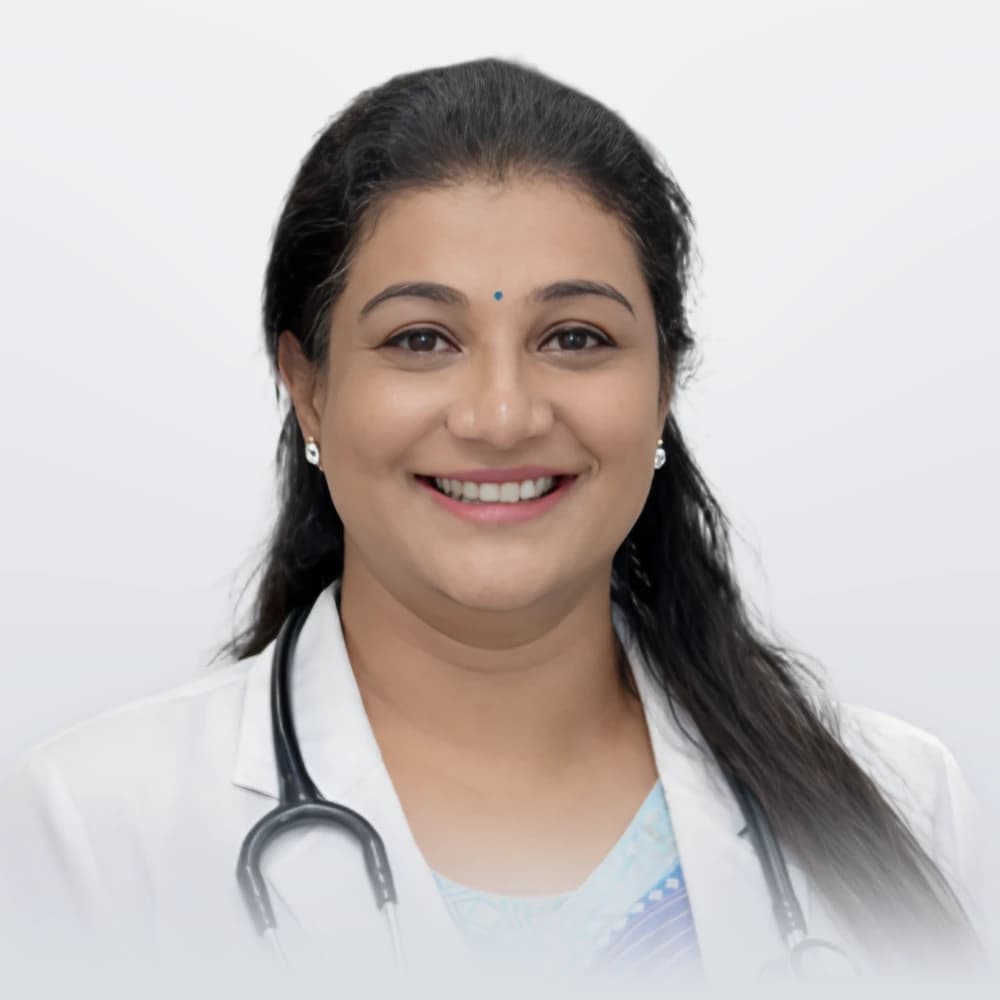
Obstetrics & Gynaecology
Dr. Siri Vani Reddy
Also listed as Dr. Srivani Reddy
- Qualifications
- MBBS, MS (OBG)
- Experience
- 18 years overall; 15 as specialist
- Fee
- ₹700
- Registration
- KMC 79928
★ 99% (976 votes) on Practo
Pregnancy care and follow-up · Normal and caesarean delivery planning · Periods and pelvic pain · PCOS

Obstetrics & Gynaecology
Dr. Vishnu Vandana
- Qualifications
- MBBS, MS (OBG)
- Experience
- 21 years overall; 16 as specialist
- Fee
- ₹700
- Languages
- Hindi, English, Tamil, Telugu, Kannada
- Registration
- KMC 88796
★ 92% (97 votes) on Practo
Menstrual changes and pelvic pain · Pregnancy consultation · Fertility and pre-conception · Contraception
Obstetrics & Gynaecology
Dr. Daksha Bakre
- Qualifications
- MBBS, DNB (OBG)
- Experience
- 17 years overall; 13 as specialist
- Fee
- ₹700
- Registration
- KMC 97874
★ 97% (956 votes) on Practo
Menstrual changes and pelvic pain · Pregnancy consultation · Fertility and pre-conception · Contraception
Which pregnancy symptoms are normal and which are not?
Many changes in pregnancy are uncomfortable but expected: morning sickness in the first trimester, tiredness, mild backache, heartburn, mild swelling of the feet by evening, frequent urination and occasional tightening of the womb (Braxton Hicks contractions) later on. These are worth mentioning at your antenatal visit but usually do not need urgent care.
Warning signs differ in that they are sudden, severe, persistent or new. They can point to conditions such as miscarriage, ectopic pregnancy, pre-eclampsia, placental problems, infection, preterm labour or blood clots. When in doubt, call your obstetrician; it is always reasonable to be checked.
- Expected: mild nausea, tiredness, mild ankle swelling, heartburn
- Expected: occasional painless tightening late in pregnancy
- Not expected: bleeding, leaking fluid or severe pain
- Not expected: sudden swelling of face or hands
- Not expected: fewer or no baby movements
- Not expected: fever, fits or breathlessness
What are the danger signs in each trimester?
In early pregnancy, bleeding with cramping may signal a miscarriage, and one-sided pain, shoulder-tip pain or fainting may signal an ectopic pregnancy. Vomiting so severe that you cannot keep fluids down (hyperemesis gravidarum) can cause dehydration and needs treatment.
From about 20 weeks, pre-eclampsia becomes a concern: severe headache, blurred vision or flashing lights, pain below the ribs, sudden swelling and vomiting. In later pregnancy, watch for reduced baby movements, leaking fluid, bleeding, regular contractions before 37 weeks, and intense itching of the palms and soles, which can indicate a liver condition called obstetric cholestasis.
- First trimester: bleeding, cramping, one-sided pain, fainting, severe vomiting
- Second trimester: bleeding, leaking fluid, headache, visual changes, contractions
- Third trimester: reduced movements, high blood pressure symptoms, labour before 37 weeks
- Any time: fever, burning urine, calf pain, breathlessness
Which pregnancy symptoms are an emergency?
Some symptoms need care within the hour. If any of the following apply, go to the nearest emergency department or maternity unit, or call 112 or 108. Do not drive yourself, and take your antenatal records and the Mother and Child Protection card if you have one.
If you notice your baby moving less than usual, do not wait until the next day or try to check the heartbeat with a home device. Contact your maternity team straight away, even at night.
- Heavy vaginal bleeding or bleeding with pain
- A gush or steady trickle of fluid from the vagina
- Severe headache, blurred vision or flashing lights
- Fits (convulsions) or loss of consciousness
- Severe abdominal pain or pain below the ribs
- Fewer, weaker or no baby movements
- Chest pain, breathlessness or coughing blood
- High fever or feeling very unwell
- Thoughts of harming yourself or your baby
- Vomiting so severe you cannot keep any fluids down for a day
Which doctor should I see for pregnancy symptoms?
Your obstetrician manages pregnancy and is the right doctor for any worrying symptom. At Lotus, the obstetrics and gynaecology team provides antenatal care and assesses symptoms between scheduled visits. Keep your obstetrician’s contact number and the details of the nearest maternity emergency unit saved on your phone and with a family member.
For non-emergency concerns such as mild swelling, persistent itching without a rash, painful urination, mild bleeding gums or worry about weight gain, contact the team the same day or book an earlier appointment rather than waiting for your scheduled visit.
If you are travelling or visiting family outside Bengaluru in late pregnancy, carry your reports and find the nearest maternity unit at your destination in advance.
- Any bleeding in pregnancy
- Burning or pain on passing urine
- New itching, especially on palms and soles
- Persistent vomiting
- Swelling that is worse than usual
- Anxiety or low mood
What happens when you are checked for a warning sign?
The doctor or midwife asks about your symptoms, the date of your last scan and your pregnancy history, then checks blood pressure, pulse, temperature and urine for protein and infection. In later pregnancy they listen to the baby’s heartbeat and often record a cardiotocograph (CTG), a non-stress test that monitors the heart rate and contractions.
Depending on findings, a speculum examination may check for bleeding or fluid leakage, and an ultrasound may assess the baby’s growth, fluid, placenta position and blood flow. You will be told whether you can go home with a plan or need to stay for observation or treatment.
- Bring all antenatal reports and scans
- Note when symptoms started
- Track your baby’s movements before arriving
- Bring your blood group and any medicines
- Have a family member accompany you
Which tests are done for pregnancy warning signs?
Tests depend on the symptom. For suspected pre-eclampsia, blood pressure readings, urine protein and blood tests of platelets, liver and kidney function are key. For bleeding, ultrasound and a blood count are common, along with checking your blood group and Rh status.
Itching may need bile acid and liver tests. Fever or burning urine needs urine culture and blood tests; during the monsoon, dengue and malaria tests may be needed. Reduced movements are assessed with CTG and ultrasound.
- Blood pressure and urine protein
- Blood count, platelets, liver and kidney tests
- Ultrasound and Doppler studies
- CTG (non-stress test)
- Urine culture
- Bile acids for itching
- Dengue or malaria tests when there is fever in the monsoon
- Ultrasound in pregnancy does not use radiation
How are pregnancy complications treated?
Treatment is tailored to the cause and to how far along the pregnancy is. High blood pressure is treated with medicines that are safe in pregnancy, with close monitoring of mother and baby. Severe pre-eclampsia is managed in hospital, may involve magnesium sulphate to prevent fits, and sometimes needs early delivery.
Women with Rh-negative blood who bleed may need an anti-D injection. Infections are treated with pregnancy-safe antibiotics. Severe vomiting is treated with fluids and anti-sickness medicines. If preterm birth is likely, steroid injections help the baby’s lungs. Your obstetrician will explain each step and the reasoning.
- Blood pressure medicines safe in pregnancy
- Hospital care and magnesium sulphate for severe pre-eclampsia
- Anti-D for Rh-negative mothers when indicated
- Antibiotics for infections
- Intravenous fluids for severe vomiting
- Steroids and monitoring if early birth is likely
- Planned or early delivery when safer for mother or baby
How can I reduce the risk of complications in pregnancy?
Regular antenatal care is the single most important step. WHO recommends at least eight antenatal contacts during pregnancy. Take iron, folic acid and calcium supplements as prescribed. Women at higher risk of pre-eclampsia may be advised to take low-dose aspirin from early pregnancy; only take it if your obstetrician recommends it.
In Bengaluru, protect yourself from mosquito bites during the monsoon, because dengue and malaria can be more serious in pregnancy. Drink safe, boiled or filtered water and avoid uncovered street food to reduce the risk of hepatitis and typhoid. Stay well hydrated in hot weather, keep your blood sugar and blood pressure checks up to date, and plan your route to the maternity unit, allowing for traffic.
- Attend every antenatal visit and scan
- Take prescribed iron, folic acid and calcium
- Use mosquito repellent and nets
- Drink safe water and eat freshly cooked food
- Know your blood group and keep reports handy
- Keep a hospital bag and transport plan ready from 34 weeks
What warning signs matter after delivery, and when should I follow up?
Warning signs continue for six weeks after birth. Heavy bleeding that soaks a pad in an hour, foul-smelling discharge, fever, severe headache, chest pain, breathlessness, a painful swollen leg, or thoughts of self-harm need urgent care.
Attend all postnatal checks, have your blood pressure monitored if you had pre-eclampsia, and follow up on blood sugar if you had gestational diabetes. Discuss contraception and spacing before your next pregnancy.
- Postnatal check within the first weeks
- Blood pressure follow-up after pre-eclampsia
- Blood sugar test after gestational diabetes
- Support for low mood or anxiety
- NHS — Pre-eclampsia ↗
- NHS — Vaginal bleeding in pregnancy ↗
- NHS — Your baby’s movements ↗
- NICE NG133 — Hypertension in pregnancy: diagnosis and management ↗
- WHO — Maternal health ↗
Medical information is general and does not replace an individual consultation.
PATIENT QUESTIONS
Pregnancy Warning Signs: questions patients ask
Is spotting in early pregnancy normal?
Light spotting can occur in early pregnancy and does not always mean a problem. However, any bleeding should be reported to your obstetrician the same day, because it can also be a sign of miscarriage or ectopic pregnancy. Go to the nearest emergency department or call 112 or 108 if bleeding is heavy, or comes with severe abdominal pain, shoulder-tip pain, dizziness or fainting.
How do I know if my baby is moving less?
From around 24 weeks, most babies develop a pattern of movements. Get to know your baby’s usual pattern. If movements feel less frequent, weaker or different, or you cannot feel movement, contact your maternity team immediately, even at night. Do not wait until the next day or rely on a home heartbeat device. A check with a heart rate trace is quick and reassuring.
What headache in pregnancy is dangerous?
Mild headaches are common in pregnancy and often ease with rest, fluids and paracetamol. A severe headache that does not settle with paracetamol, especially after 20 weeks or with blurred vision, flashing lights, swelling of the face or hands, or pain below the ribs, can be a sign of pre-eclampsia. Seek same-day emergency assessment and have your blood pressure checked.
Is swelling of the feet normal in pregnancy?
Mild swelling of the feet and ankles, worse by evening and better after rest, is common, especially in later pregnancy and hot weather. Swelling that appears suddenly, affects the face, hands or around the eyes, or comes with headache, visual changes or upper abdominal pain needs urgent assessment for pre-eclampsia. One swollen, painful calf may be a clot and also needs urgent care.
What should I do if my water breaks early?
If you notice a gush or steady trickle of clear or greenish fluid from the vagina before your due date, contact your maternity team and go to the nearest maternity or emergency unit. Use a pad, not a tampon, and note the colour and time. Early rupture of the membranes increases infection risk and may need monitoring, antibiotics or planning for delivery.
Is itching in pregnancy a warning sign?
Mild itching from stretching skin is common. Intense itching, particularly on the palms of the hands and soles of the feet, without a rash and often worse at night, can be a sign of obstetric cholestasis, a liver condition in pregnancy. Contact your obstetrician promptly; blood tests for bile acids and liver function can confirm it, and closer monitoring may be needed.
Can I take paracetamol for fever in pregnancy?
Paracetamol is generally considered the preferred medicine for fever and pain in pregnancy when used at the recommended dose for the shortest time needed. Avoid ibuprofen and similar painkillers unless your obstetrician advises otherwise. Fever in pregnancy should be assessed, especially during the monsoon, because infections such as dengue, malaria and urinary infections need specific testing and treatment.
What are warning signs after delivery?
For six weeks after birth, seek urgent care for heavy bleeding that soaks a pad within an hour, passing large clots, foul-smelling discharge, fever, severe headache, blurred vision, chest pain, breathlessness, a painful swollen leg, or thoughts of harming yourself or your baby. Pre-eclampsia can occur after delivery too. Go to the nearest emergency department or call 112 or 108 for severe symptoms.
LOCATION & DIRECTIONS
Getting to Lotus Hospital, HSR Layout
Lotus Multi Speciality Hospital
2361, 24th Main Road, 1st Sector, HSR Layout, Bengaluru, Karnataka 560102
Near Bangalore One, HSR Layout 1st Sector
Open 24 hours, 7 days · OPD timings vary by doctor
Lotus is on 24th Main Road in Sector 1, near Bangalore One. Autos and cabs can drop at the entrance on 24th Main.
Head into HSR Sector 1 from the Agara Lake side of the Outer Ring Road and continue to 24th Main Road.
Take the Sarjapur Road or 27th Main HSR approach towards Sector 1, then turn onto 24th Main Road.
Travel along the Outer Ring Road towards Agara, enter HSR Layout Sector 1 and continue to 24th Main Road.
Use the Outer Ring Road from Silk Board towards HSR Layout and turn into Sector 1.
Cross from Hosur Road into HSR Layout through the Sector 7 side and continue north to Sector 1.
Come towards Agara and the Outer Ring Road junction, then into HSR Layout Sector 1.
Take Hosur Road to Silk Board, then the Outer Ring Road into HSR Layout. Best for planned visits.
Travel time changes with traffic. Check live directions before you leave and allow time for registration.